
Gerona: Preparing a Home for Its Next Chapter
When I first walked into the San Gabriel home on Gerona it was hard to see what it could be.
The floor plan was excellent, the backyard unusually large, and the bones were there. But the house had been lived in deeply and not really cared for in a long time and it showed. It felt tired and forgotten.
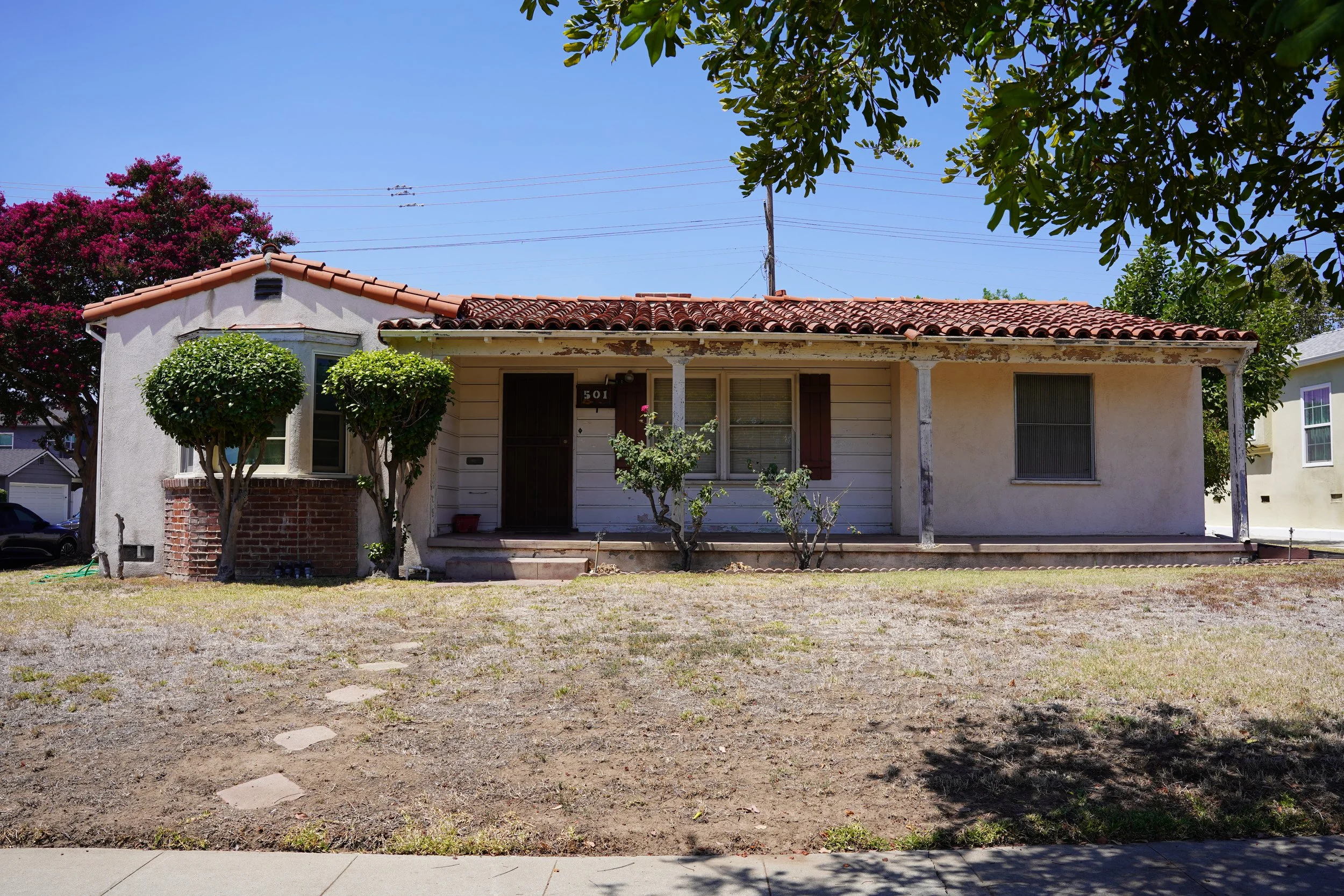
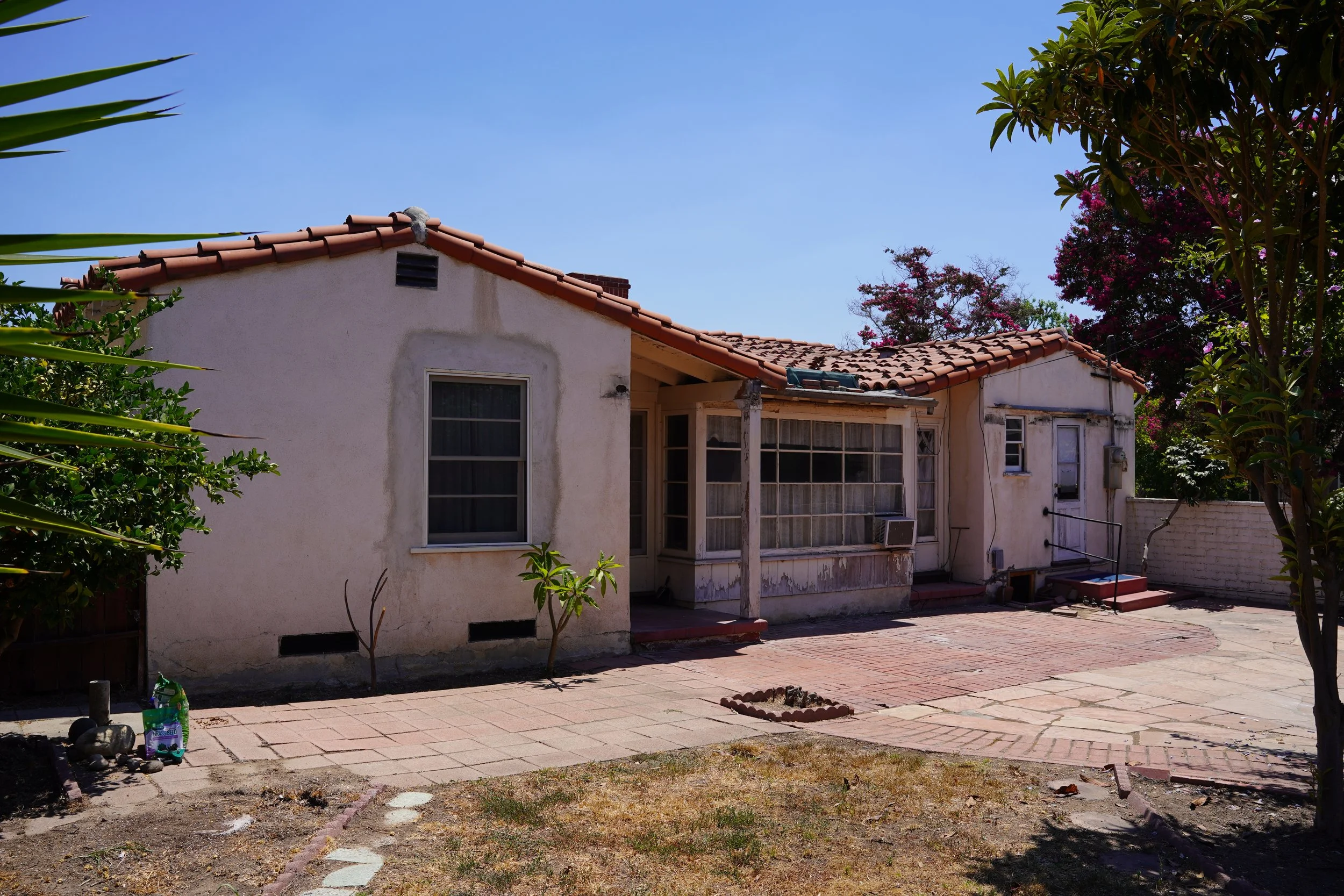
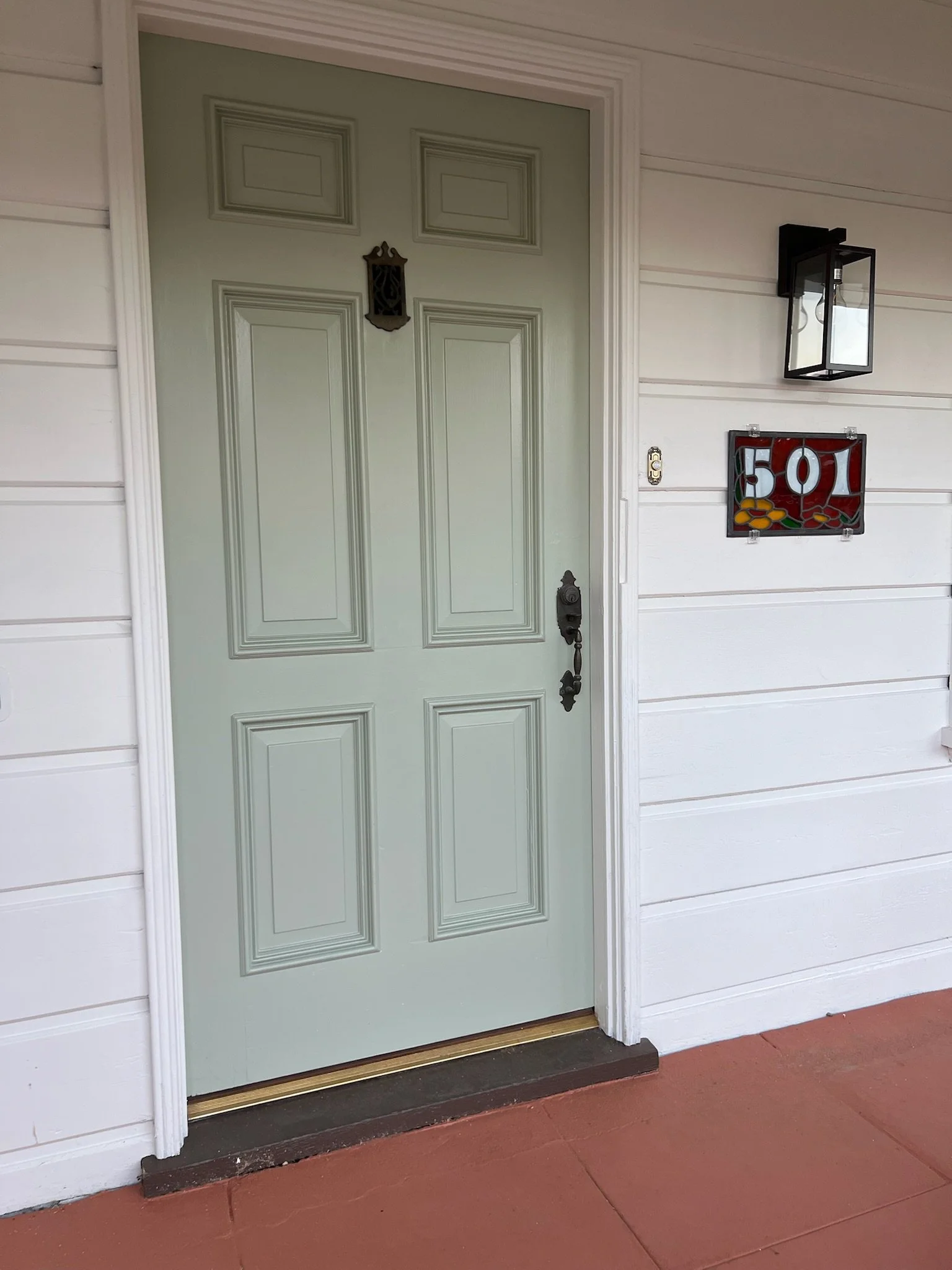
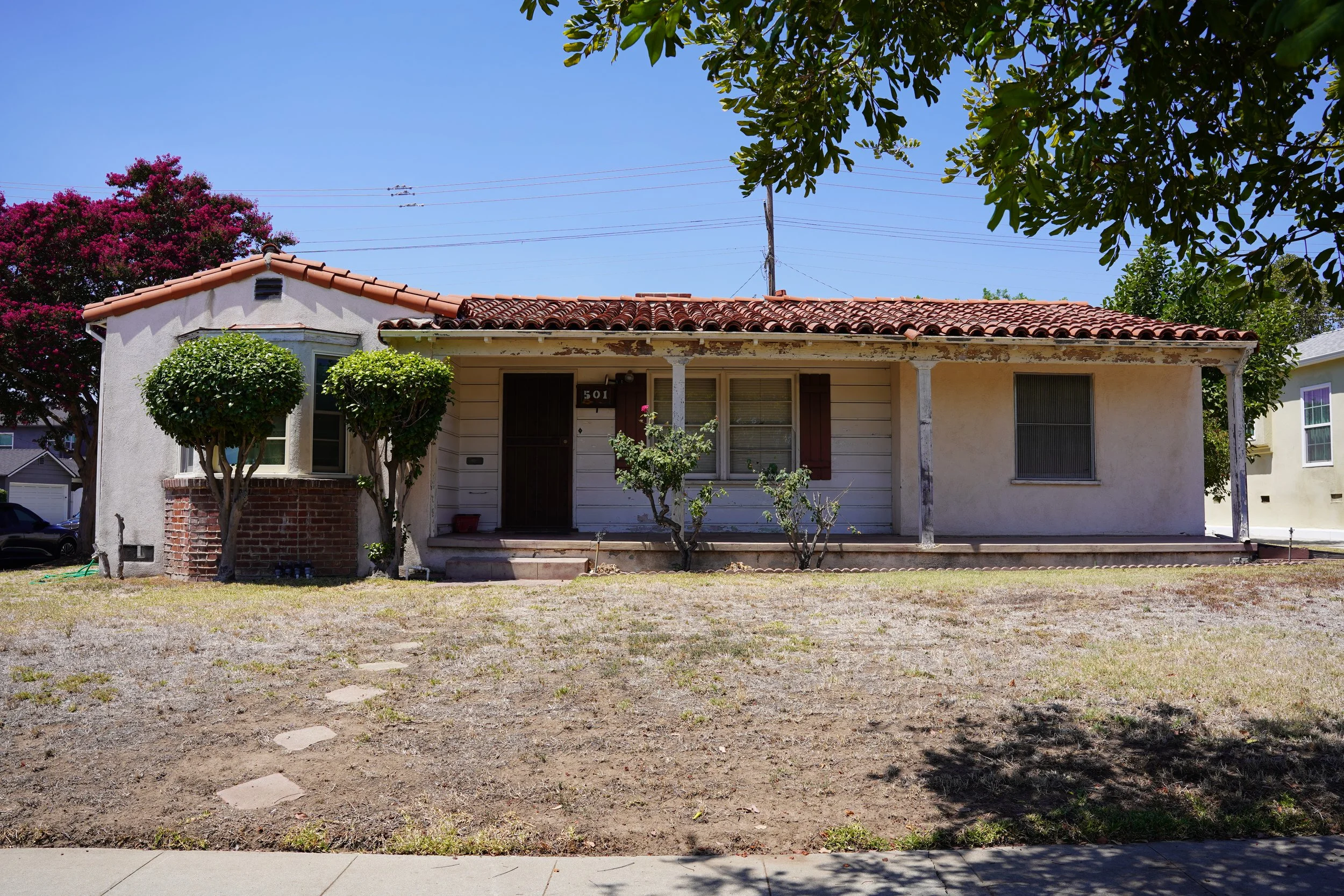
Front of house, prior to fresh paint and landscaping
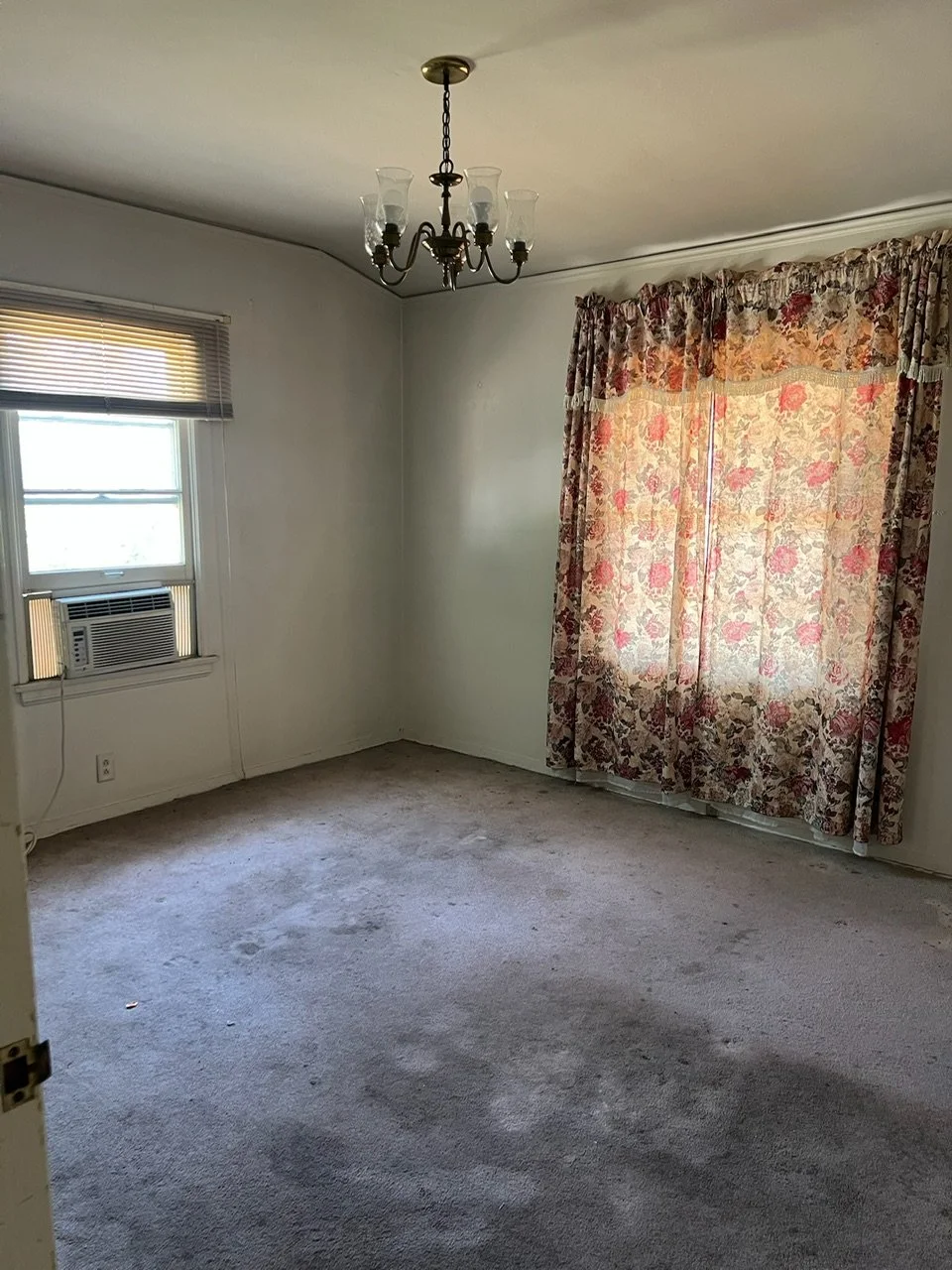
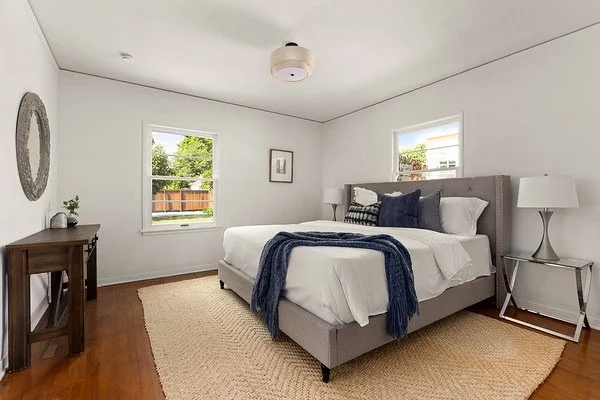
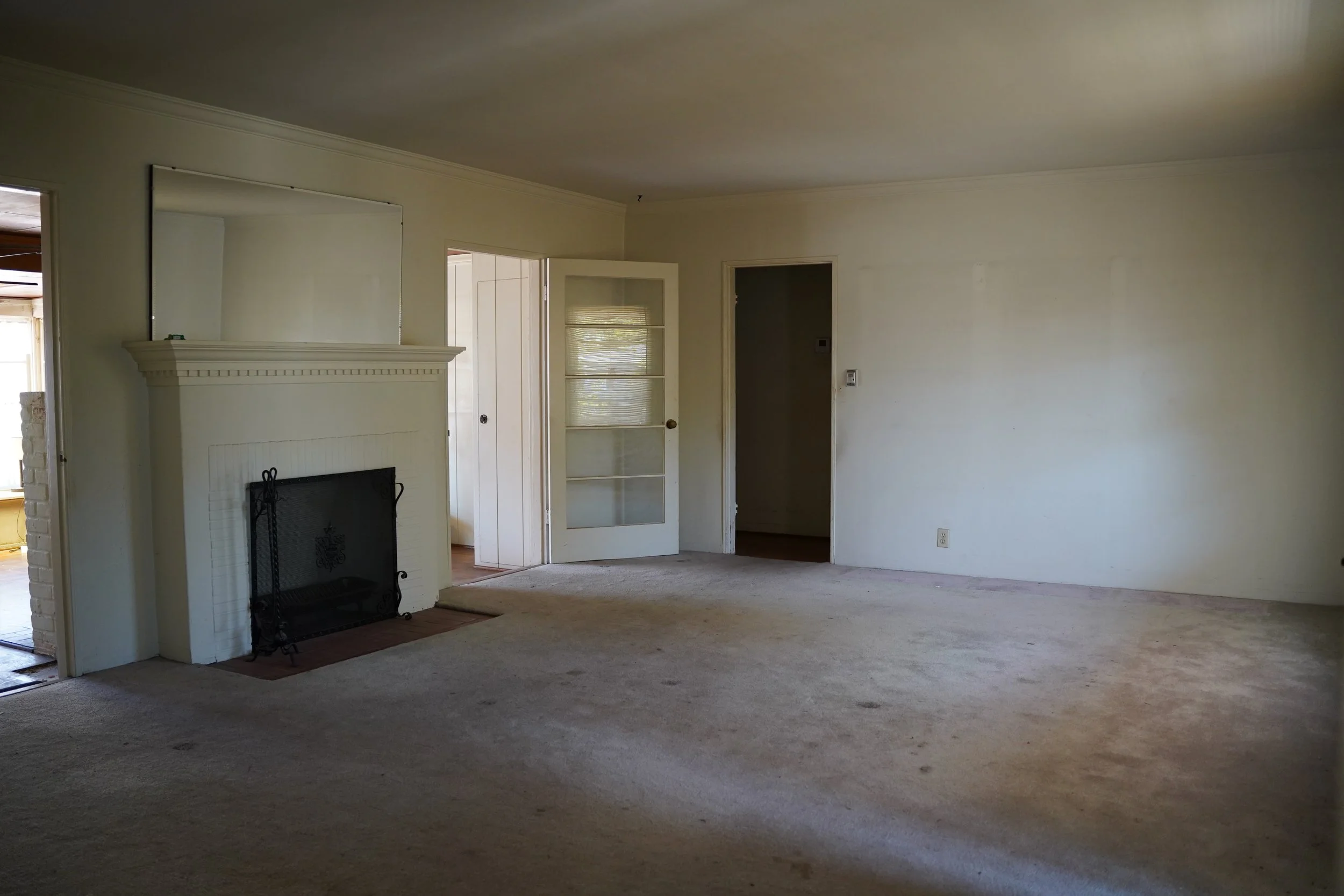
The previous owner grew up in the home, and his parents lived there for nearly fifty years before they passed. That history showed up everywhere. There were layers of paint in the front bedroom, including a period when it was blue; hardwood floors hidden under carpet in the bedroom and living room; and a small milk door by the front entry, from a time when deliveries were left quietly outside.
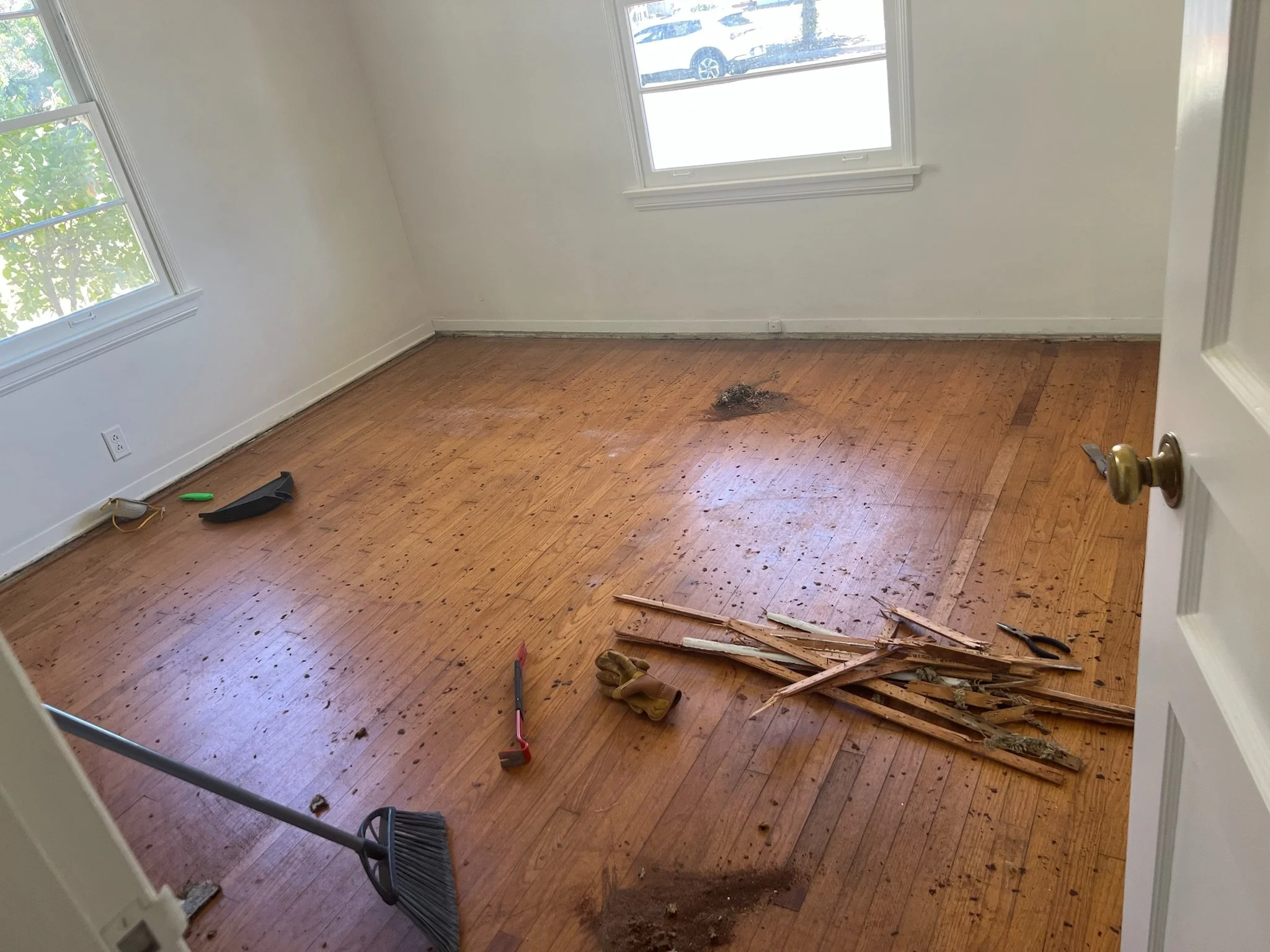
Original hardwood floors uncovered in the bedroom
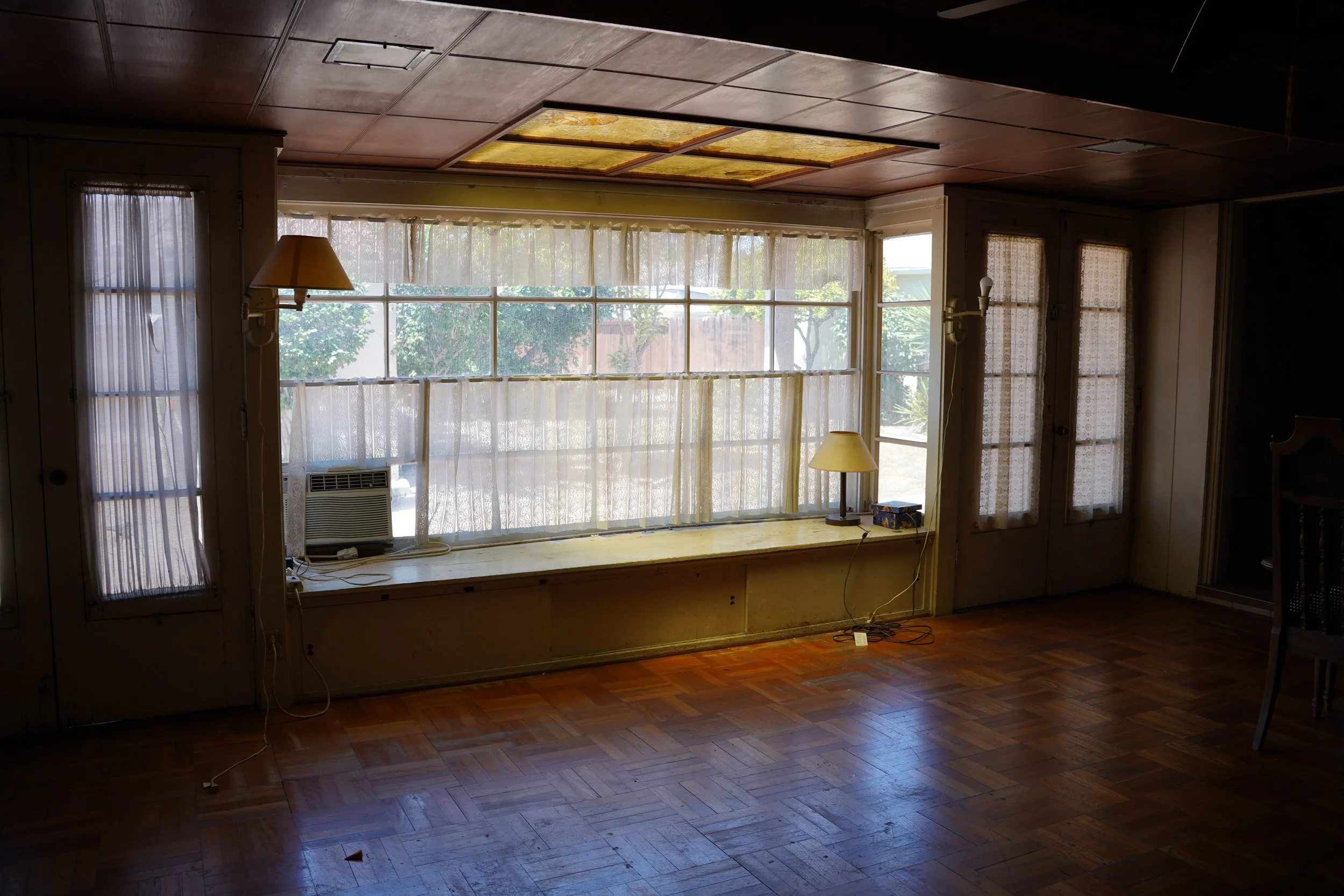
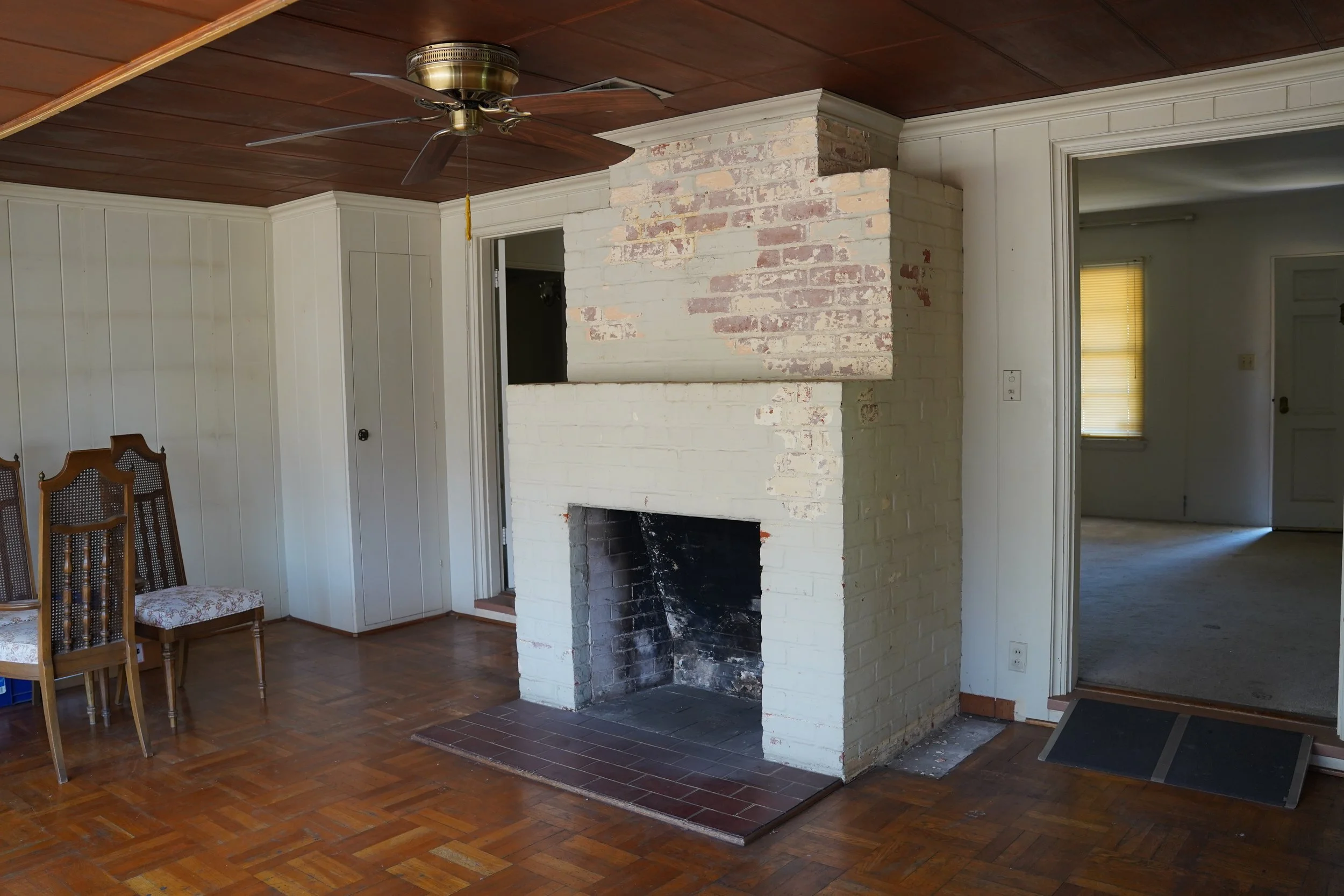
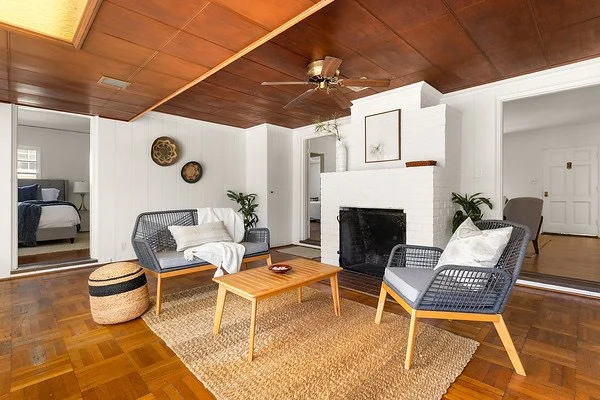
There was also a double-sided fireplace, with one side opening to the living room and the other to a sitting room behind it that felt like a glassed-in porch. It may have been one originally. The house had clearly evolved over time, shaped by the people who lived there and the choices they made.
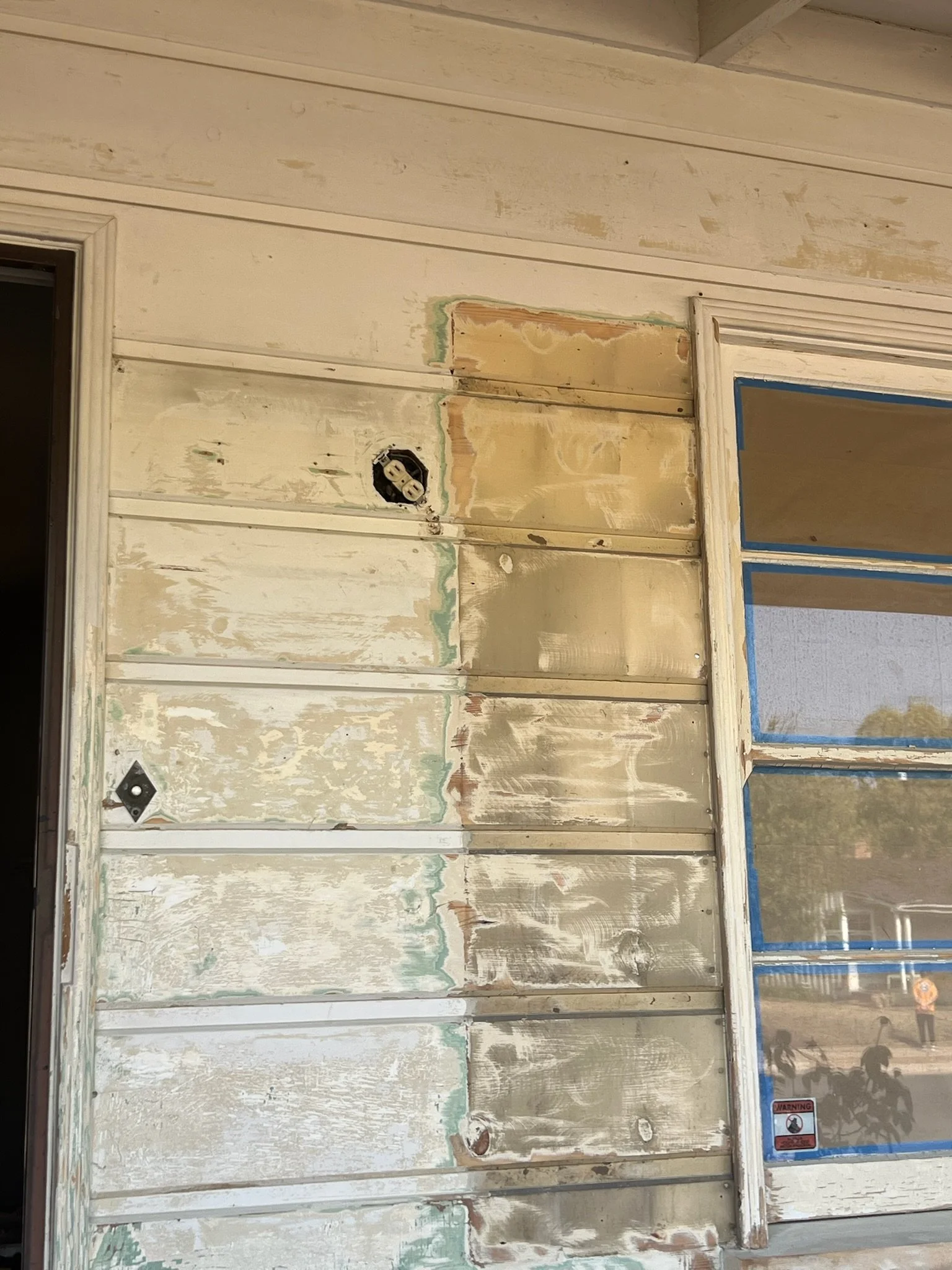
I spent about six weeks working on Gerona. Some days were long and dusty, but more often the work happened in bursts between the rest of life. I pulled out carpet, updated light fixtures, and addressed the kinds of things that had been “good enough” for years.
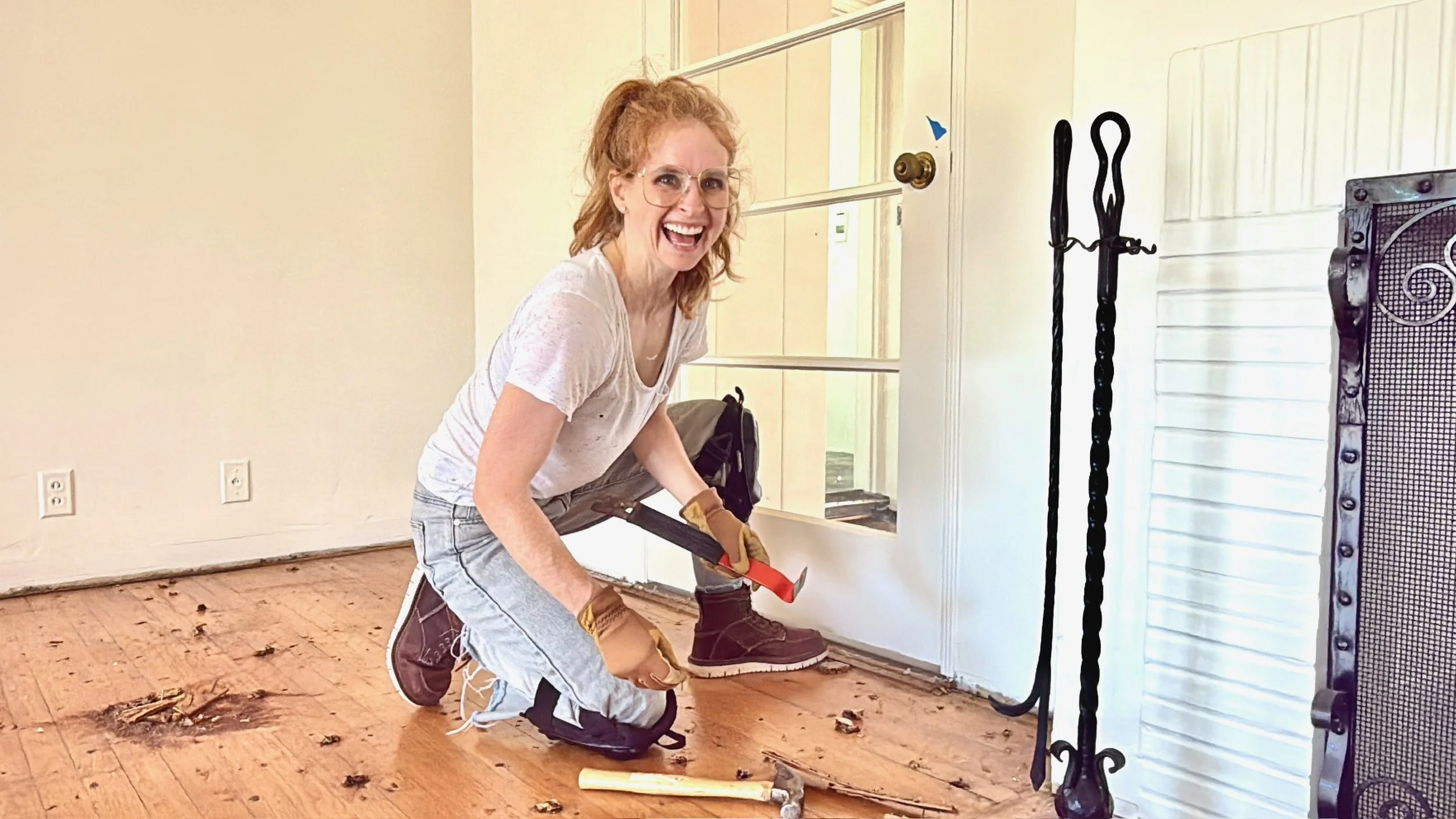
Removing carpet tack nails after carpet removal
The most satisfying moments were simple: the first section of carpet coming up; a broken doorknob replaced; the way a single light fixture could shift an entire room. I did much of the work alone and quietly, with time to think through problems as they came up.
Physical work like this has a way of clarifying things. It is solitary but grounding, and it creates attachment faster than you expect. Sweat equity is real, and it made letting go harder than I thought it would. If it was difficult for me after just a few weeks, I can’t imagine what it was like for a family who lived there for decades.
At the same time, giving the house new life was deeply satisfying, not by erasing its past but by making it functional, welcoming, and ready for someone else.
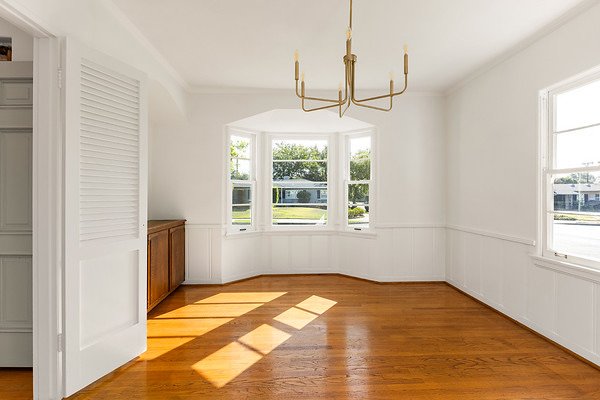
We were intentional about what we changed and what we didn’t. There were moments where we could have leaned harder into bold color or Spanish-style charm, but we chose restraint instead. The updates were neutral and thoughtful, designed to create a clean slate for the next owners. Nothing flashy, just well considered.
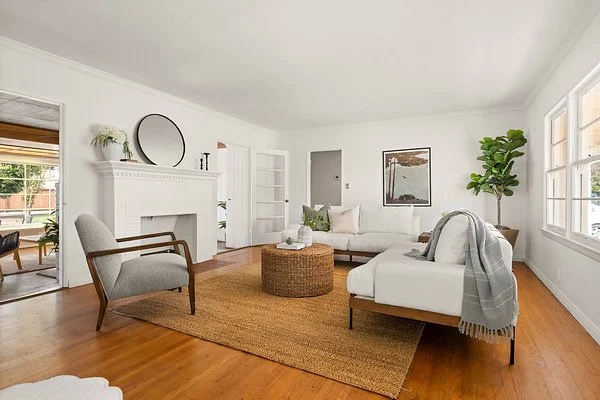
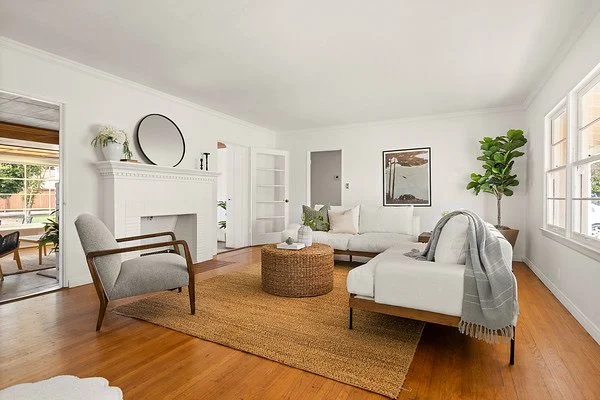
Living room after removing old carpet and thoughtful staging
The goal wasn’t to impose a style; it was to remove friction and help buyers see themselves in the space.
That same thinking guided the budget. We focused spending where it would actually matter and pulled back where it wouldn’t. In one case, I sourced flooring myself and cut the original quote nearly in half. In other areas, I did the work directly, not to cut corners but to ensure dollars went where they produced results.
When we sold Gerona, the response was immediate. There were eleven offers, and the final sale price came in more than $100,000 over list.
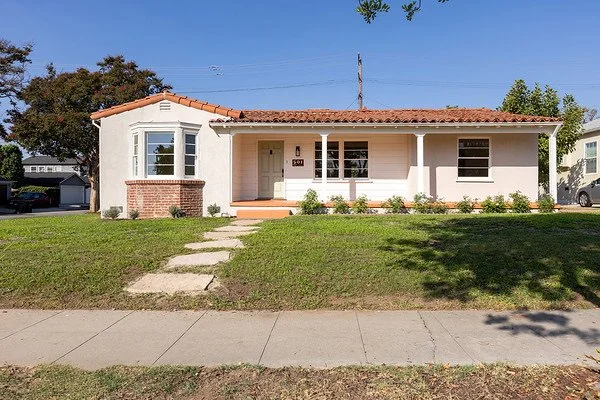
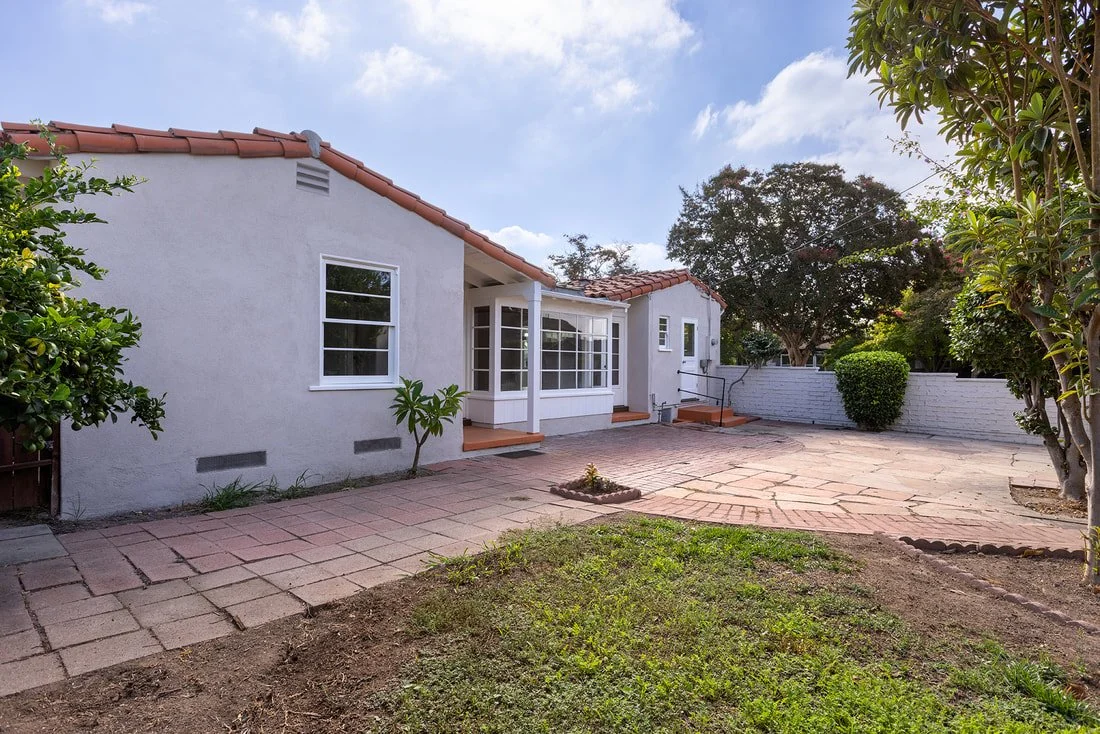
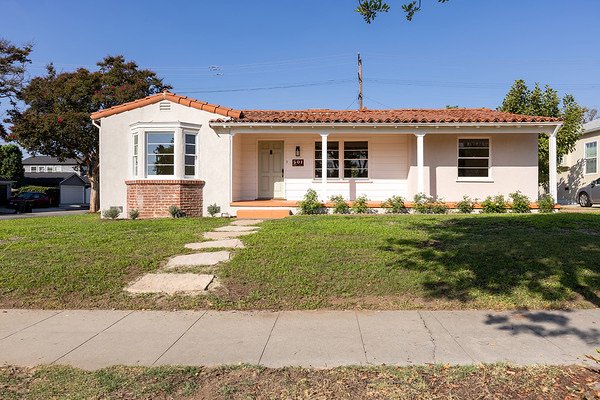
Front of house prepared for sale
That outcome wasn’t accidental. It came from understanding buyer psychology, knowing where investment pays off, and respecting the house while positioning it clearly in the market.
I felt proud when it sold and, unexpectedly, a little sad.
I hope the next owners make it theirs, feel connected to the neighborhood, and build memories there, just as others did before them.
Gerona is a clear example of the work I love doing, at the intersection of real estate, restoration, and transition.
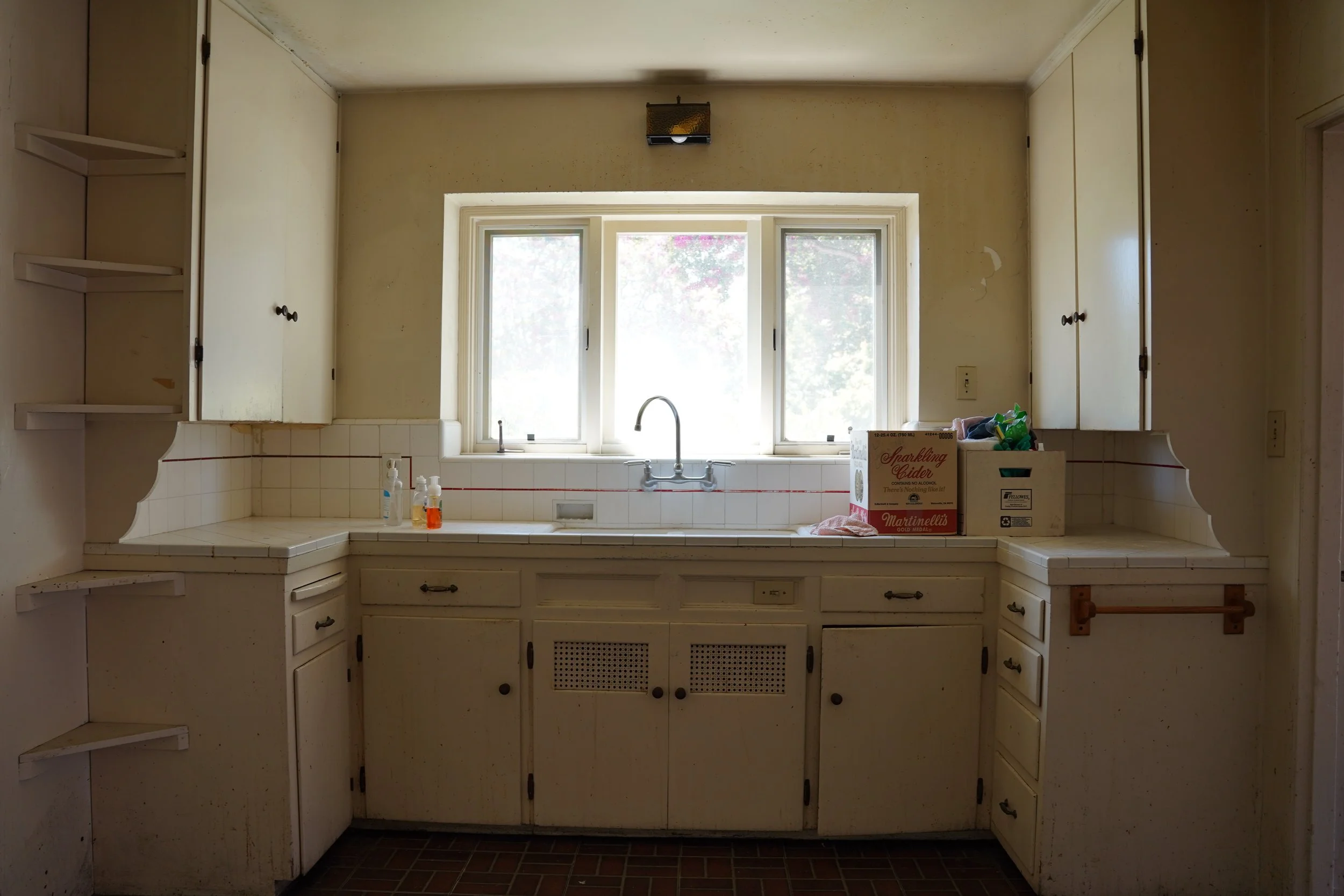
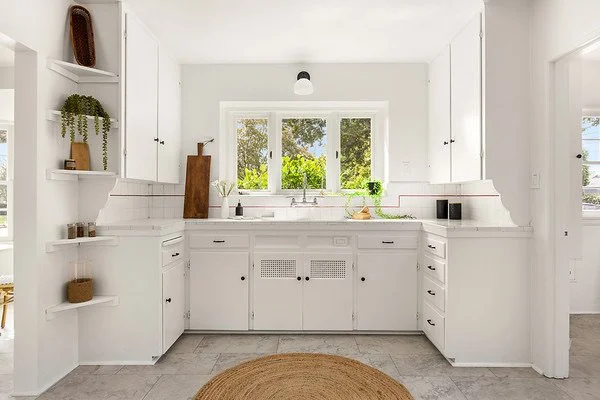
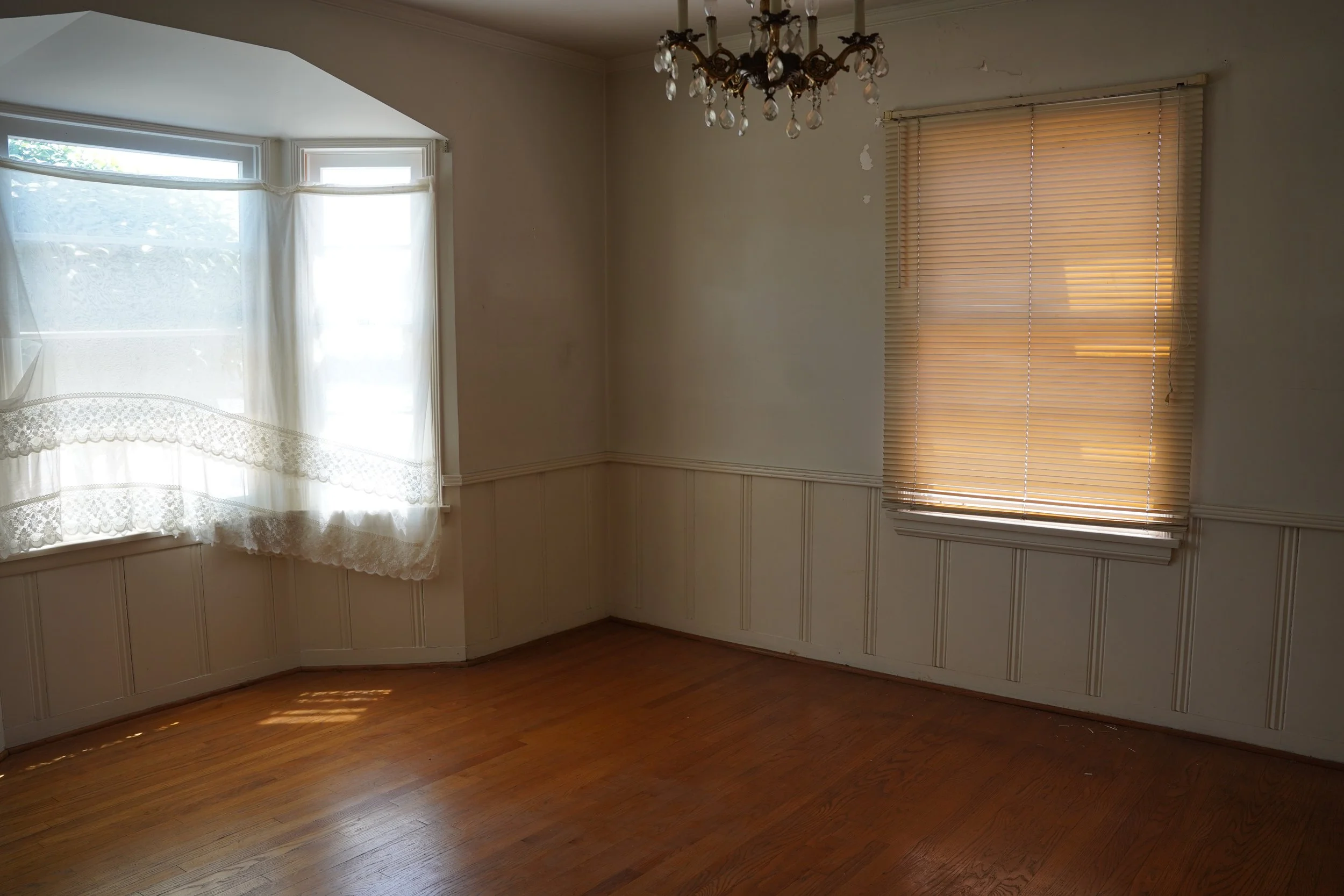
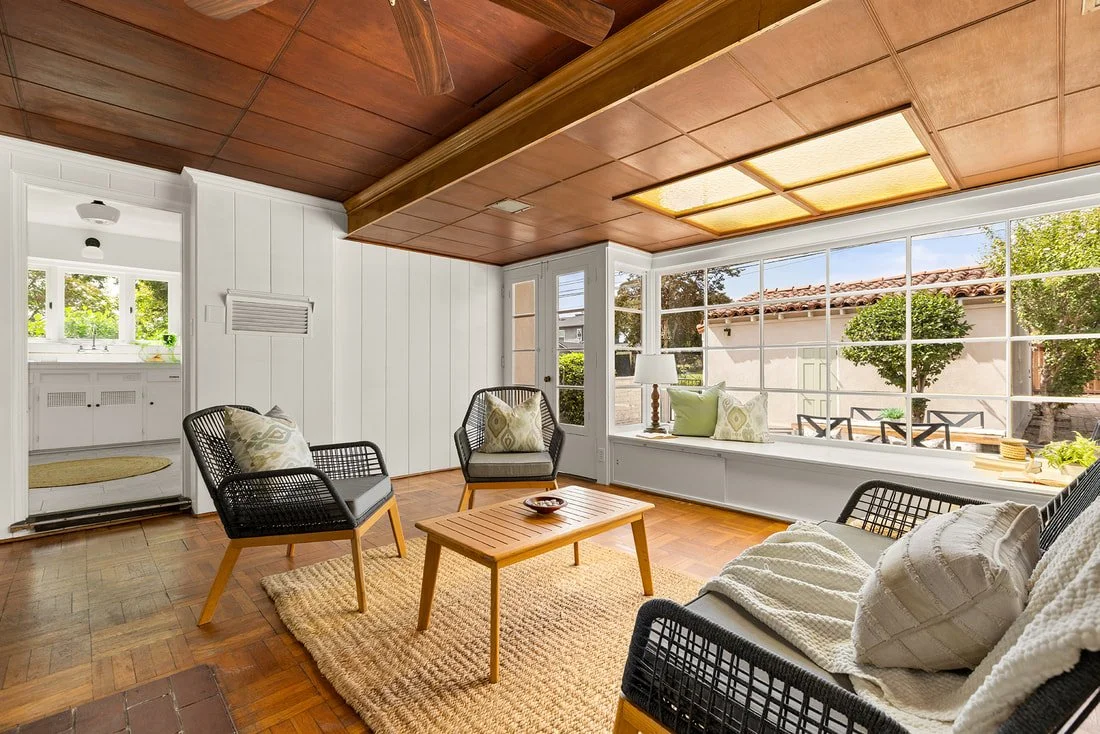
Homes carry history. Selling them is rarely just transactional. When care, strategy, and restraint come together, it’s possible to honor what was and still unlock what’s next.
Every ending makes room for a new beginning.
