
Every home has a story.
Every family we work with has a story worth telling of moments of resilience and renewal that unfold through the transformation of their home during times of transition.
This page is where we’ll share those stories: reflections, transformations and hope from others who are entering a new chapter. Sometimes they’re full renovations. Sometimes they’re about letting go or honoring a loved one. Always, they’re about honoring the past while stepping into the future.
We’re just getting started, but already we’re honored to share a few stories:

Big Moves Across the Street
When my brother moved from the house across the street, I had the chance to help with nearly every part of the transition, from packing boxes, preparing and selling the house as their listing agent, to unpacking, organizing and designing their new home.
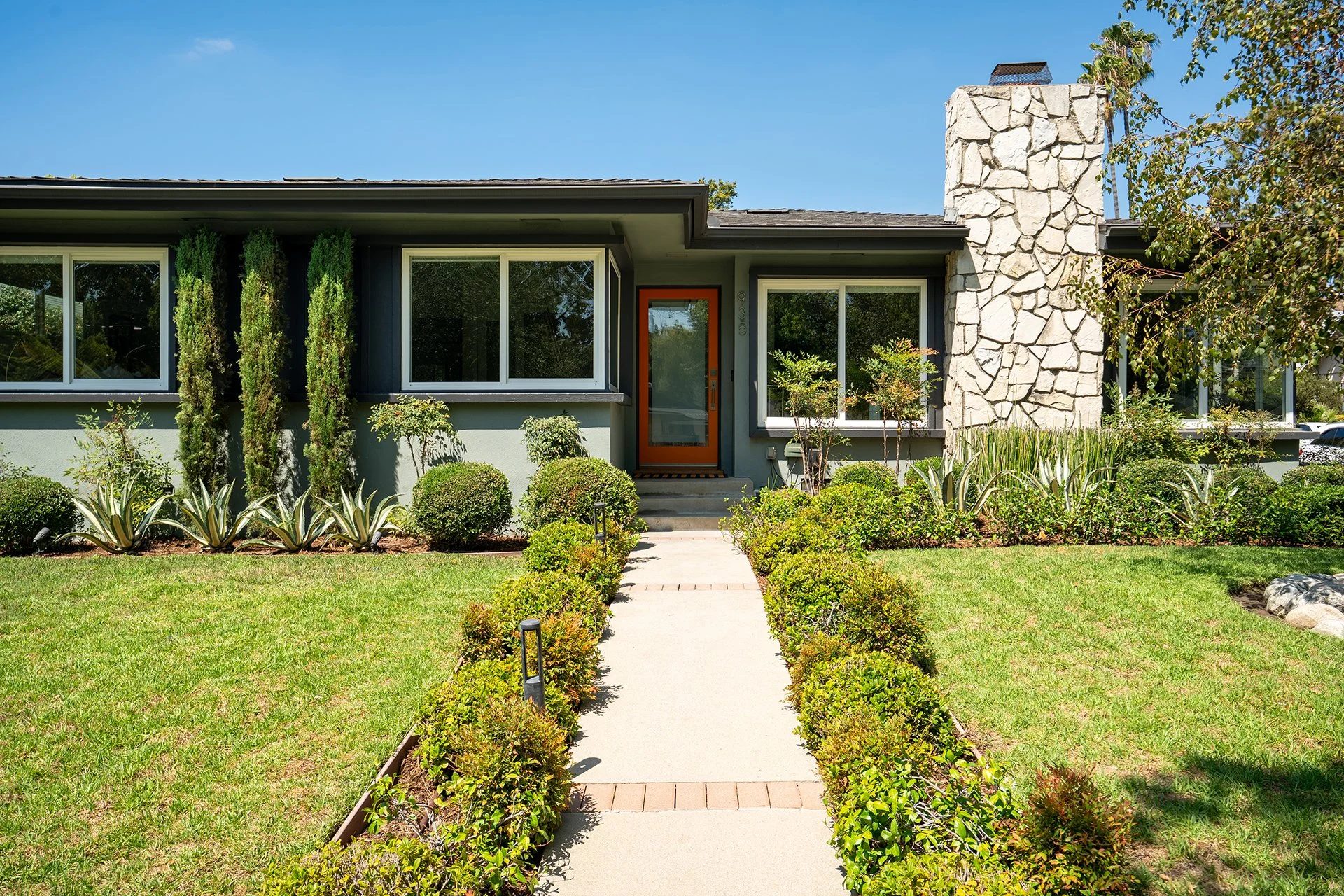
935 S Euclid in Pasadena, ready for its next chapter.
For the last six years my brother and his family lived across the street from us at 935 S Euclid. There were plenty of things I loved about having them there, but the ones I notice missing now are mostly small: bubble time on the front steps, saying ‘hi’ on our walk to school, or shouting something across the street while one of us was pulling out the garbage cans.
Grace Chang helped my brother buy 935 in 2019, and later helped my family buy our house directly across the street. At the time, I was still working in healthcare, with no idea that I would eventually leave that career. Her friendship, the meaningful impact I watched her make in other people’s lives, and her encouragement were a big part of what inspired me to become a Realtor® and start Second Story. So when my brother and his family decided to move this year, it was the obvious choice to partner with Grace to sell the same house she had helped him buy years earlier.
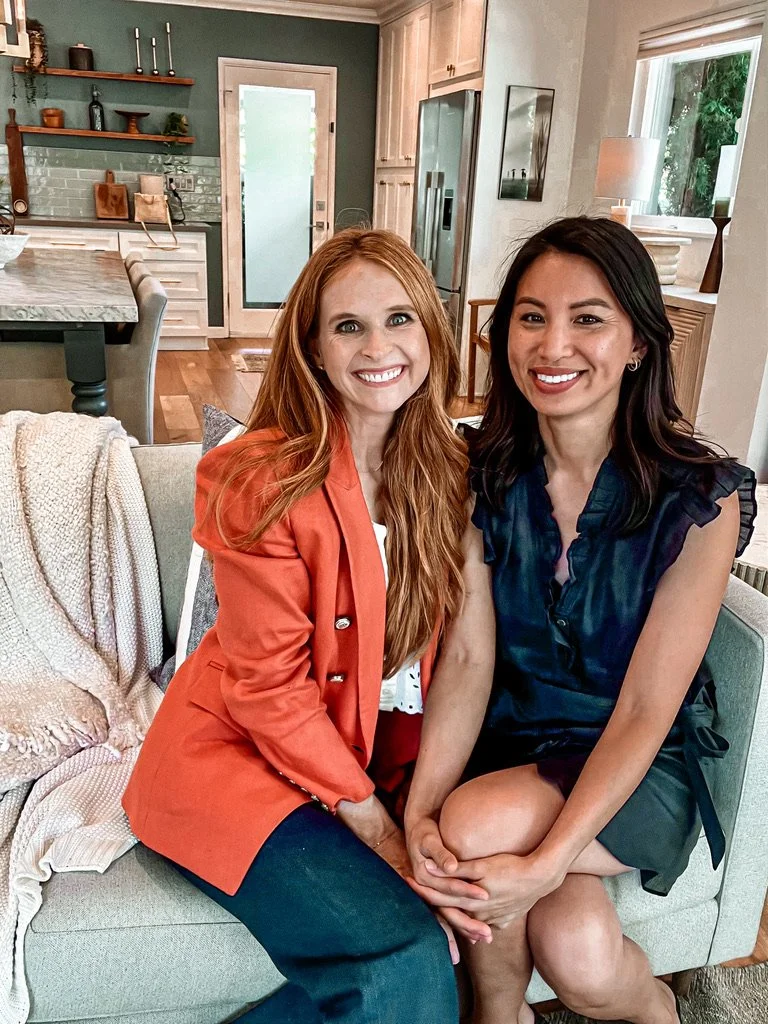
With Grace Chang, my dear friend and now real estate partner.
Before we could get 935 ready to sell, though, I helped pack their belongings, coordinate the move, and unpack and organize them in their new home. I also began designing rooms to make the new house work better for their family.
935 had been beautifully renovated in 2018 and well cared for since, so most of my work was in the details that accumulate through everyday life, including several with a toddler attending a play-based, shoeless preschool. I scrubbed and refinished grout, replaced caulk, touched up chipped cabinetry, power washed, and tackled a long list of small repairs. We added fresh paint and brought in beautiful staging, and by the time we were finished, the house felt remarkably fresh again.
I knew it was a great property, but seeing it all come together made it really sing.

The living room at 935, much less fun without Hotwheels and kinetic sand.
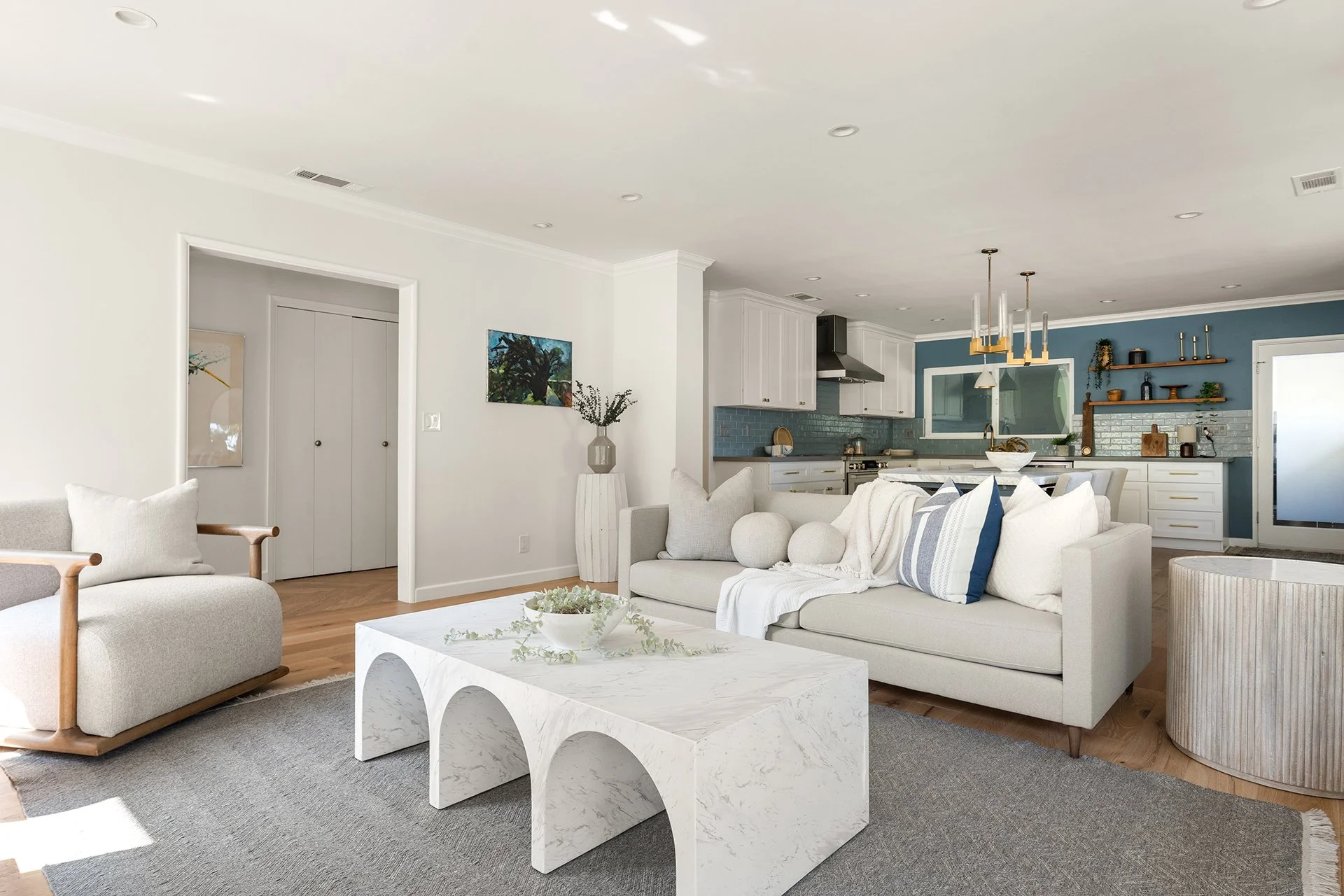
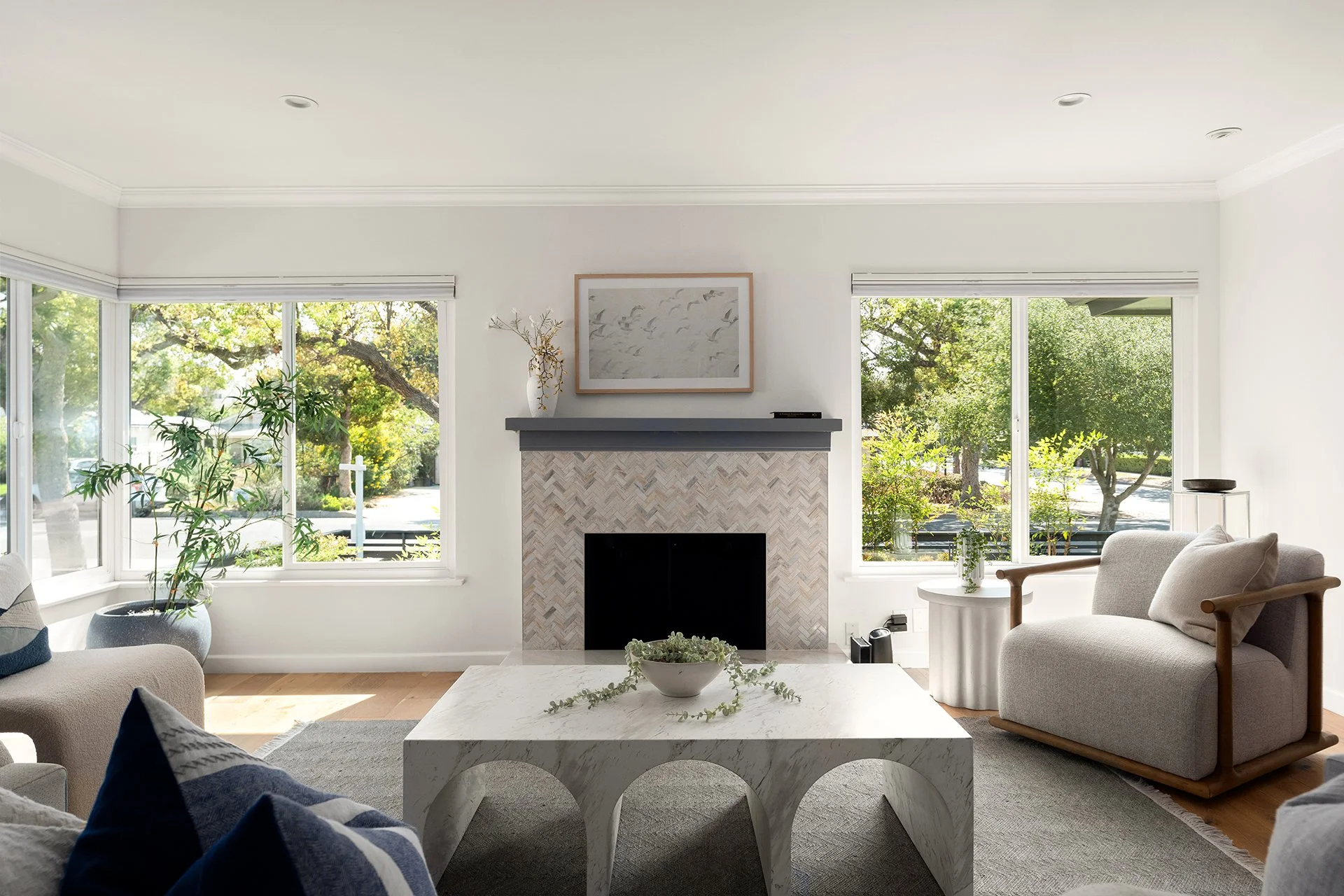
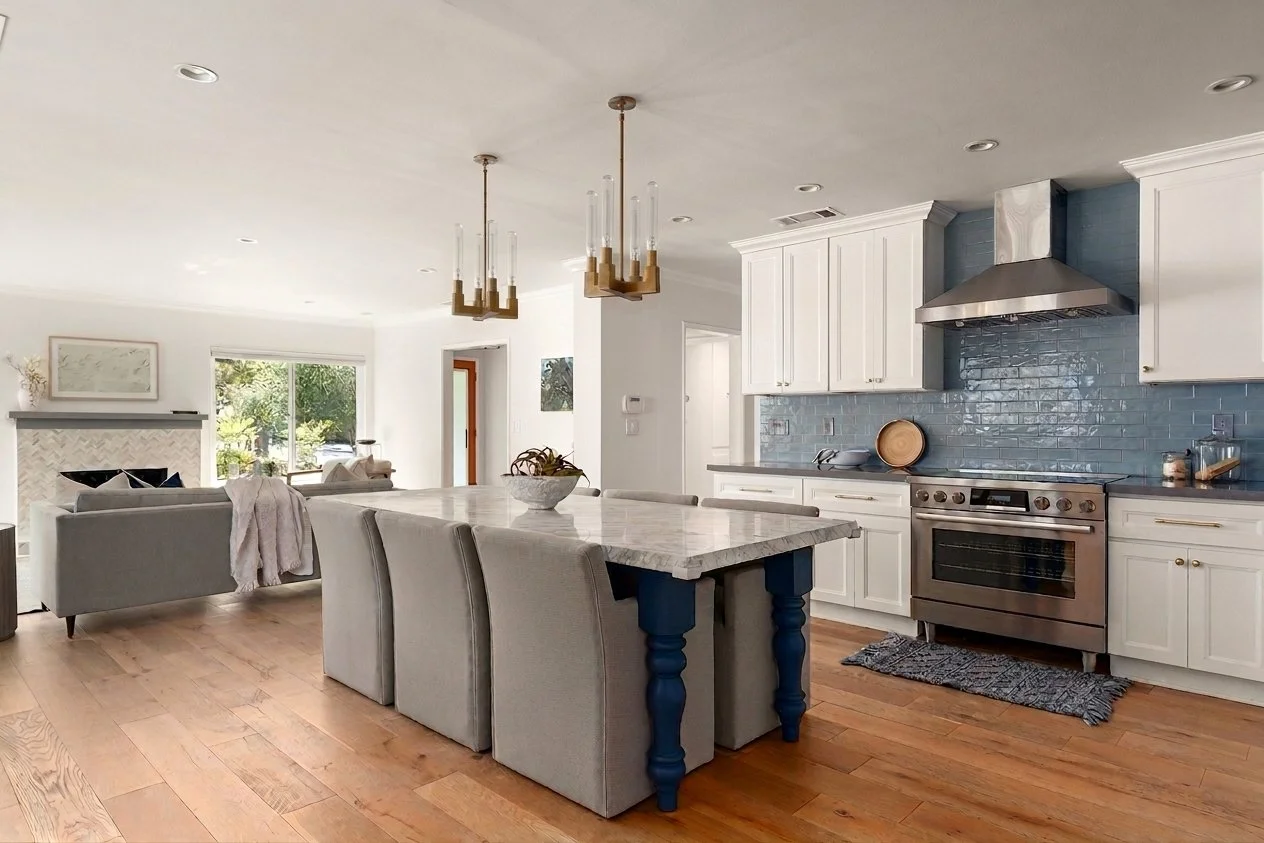
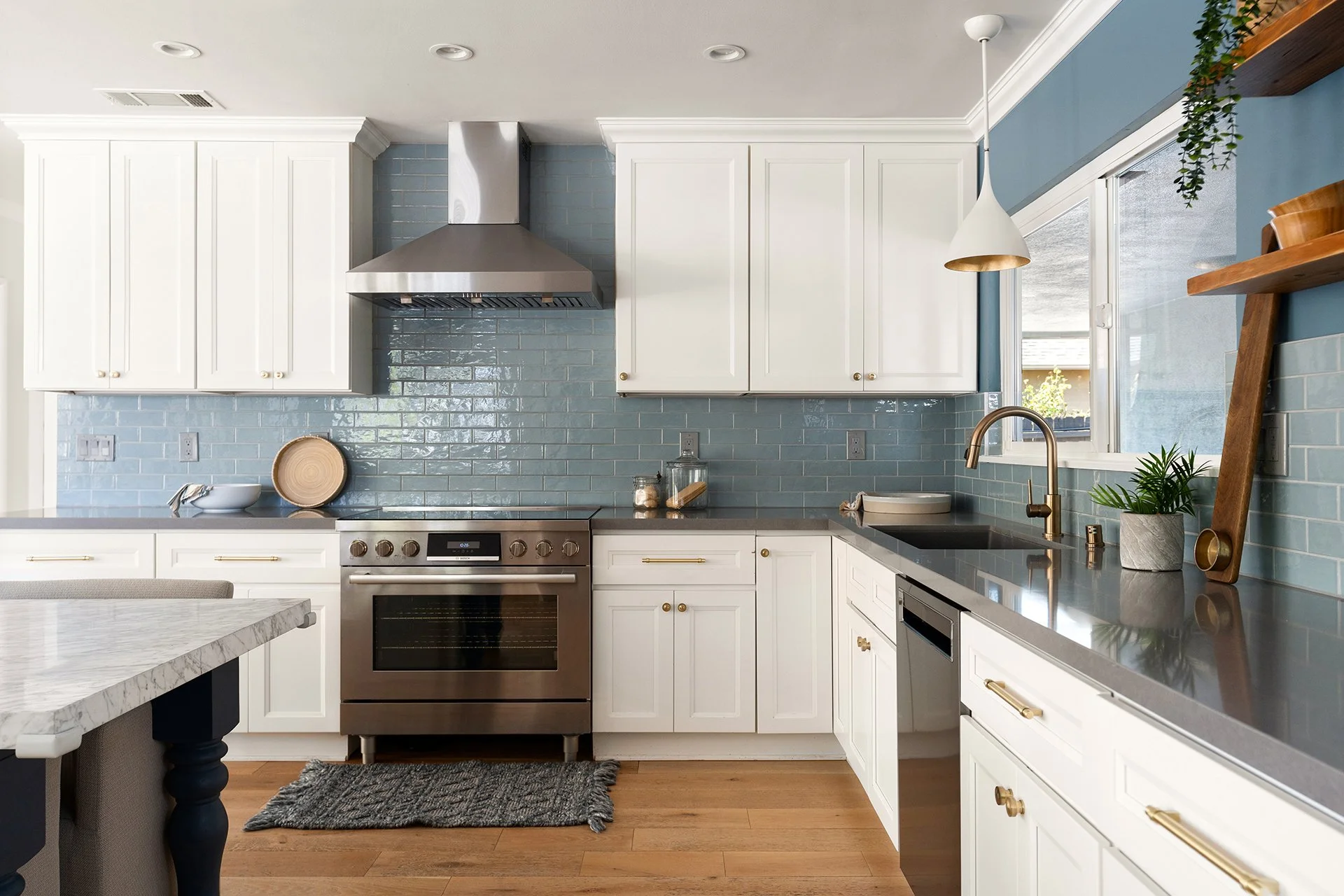
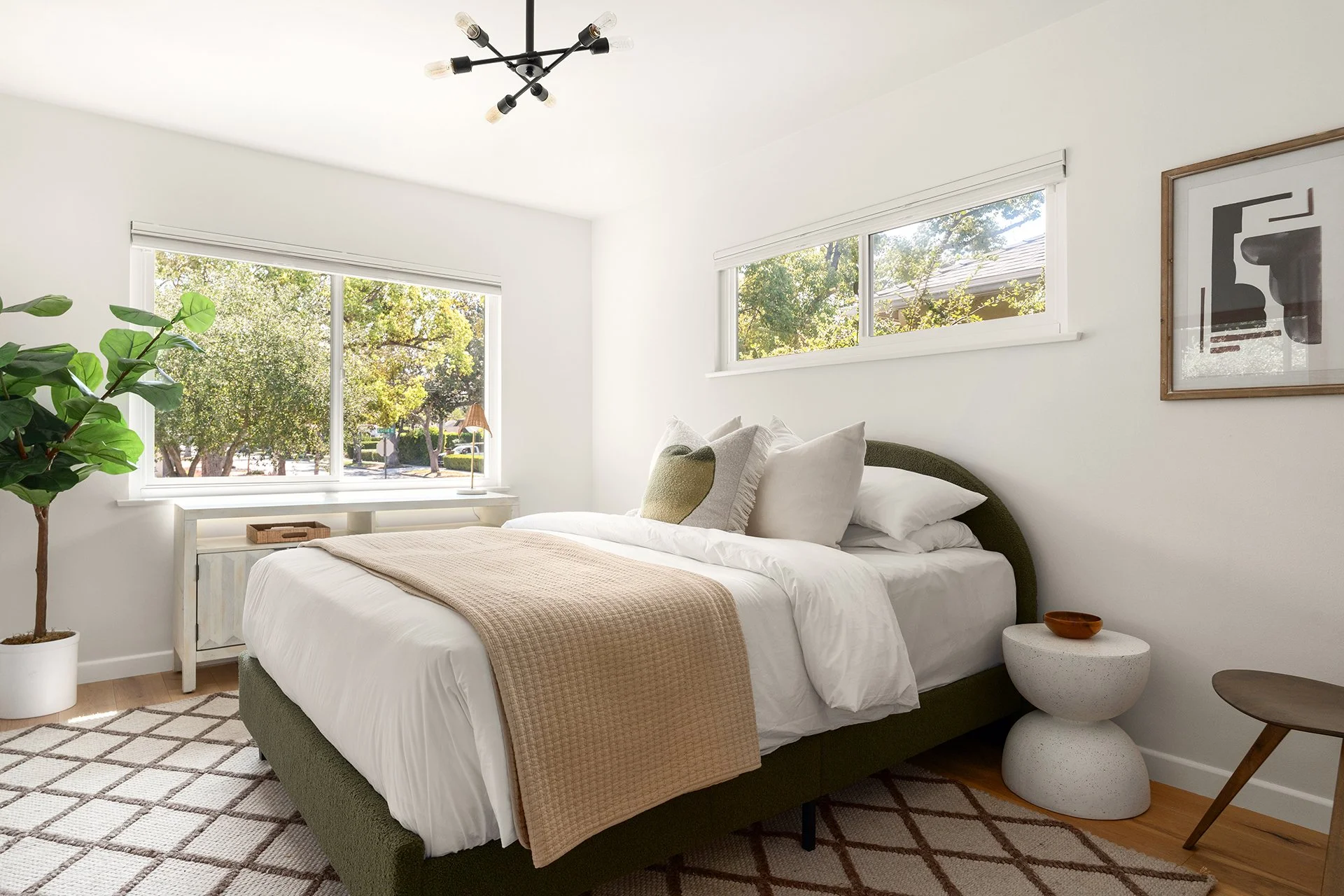
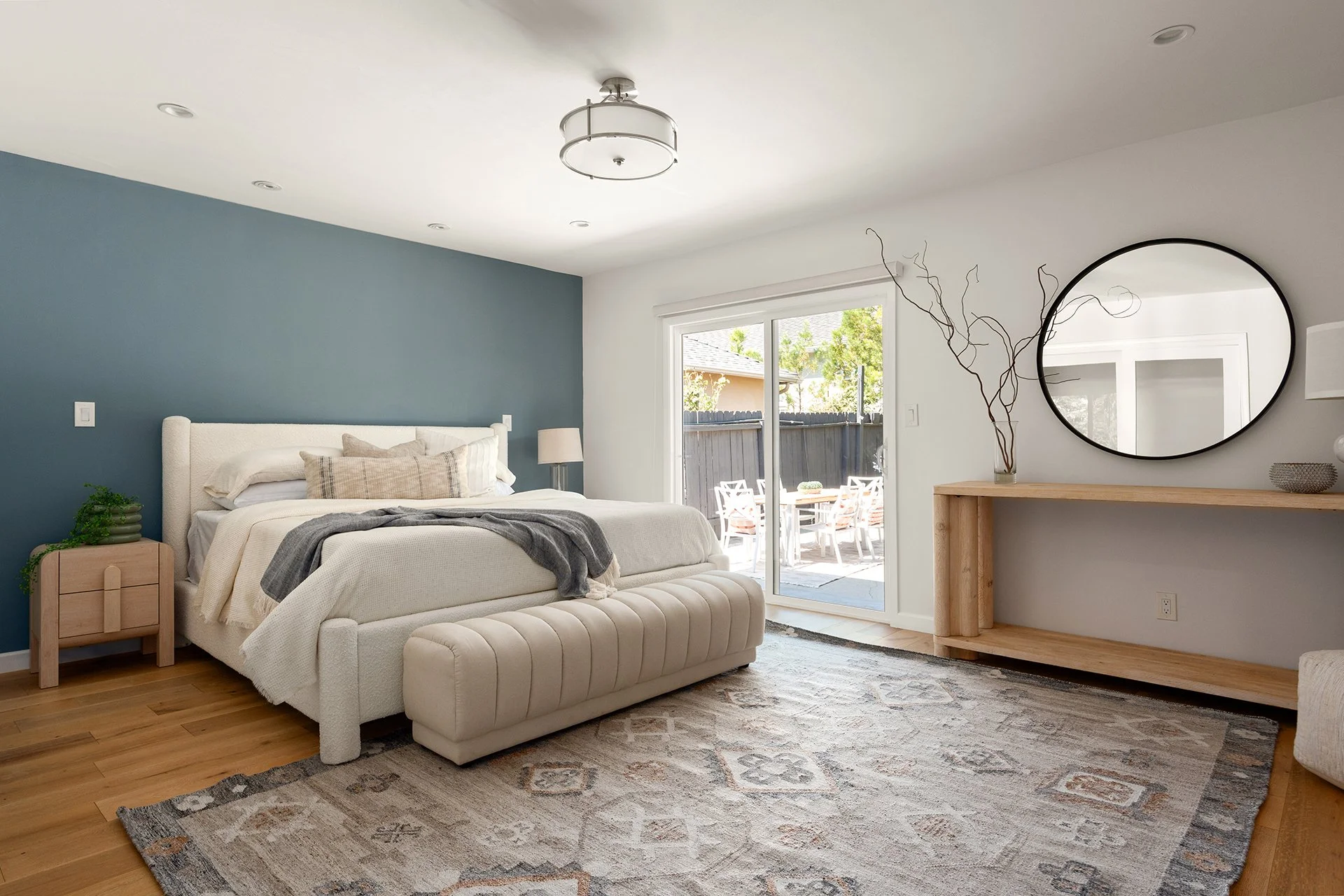
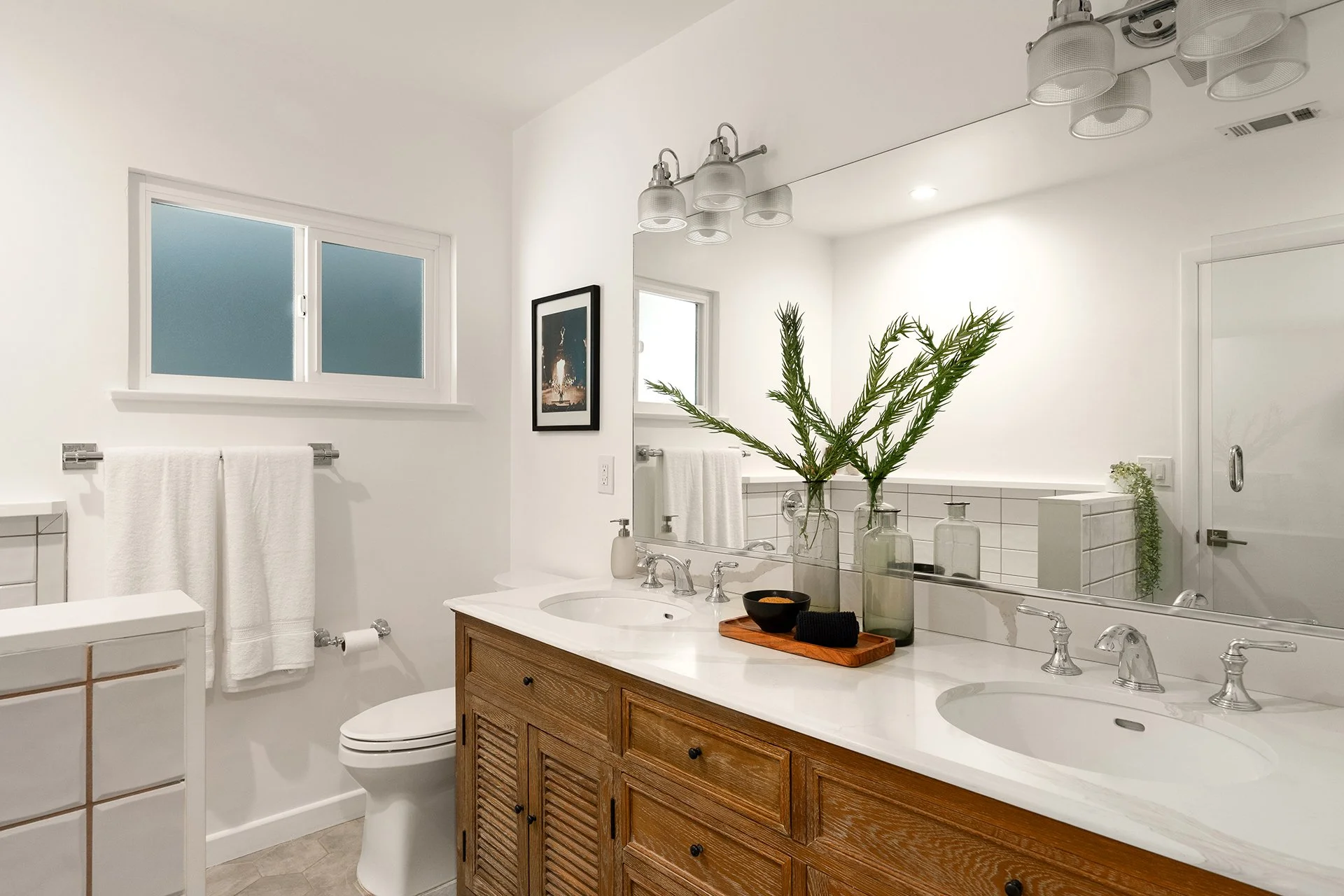
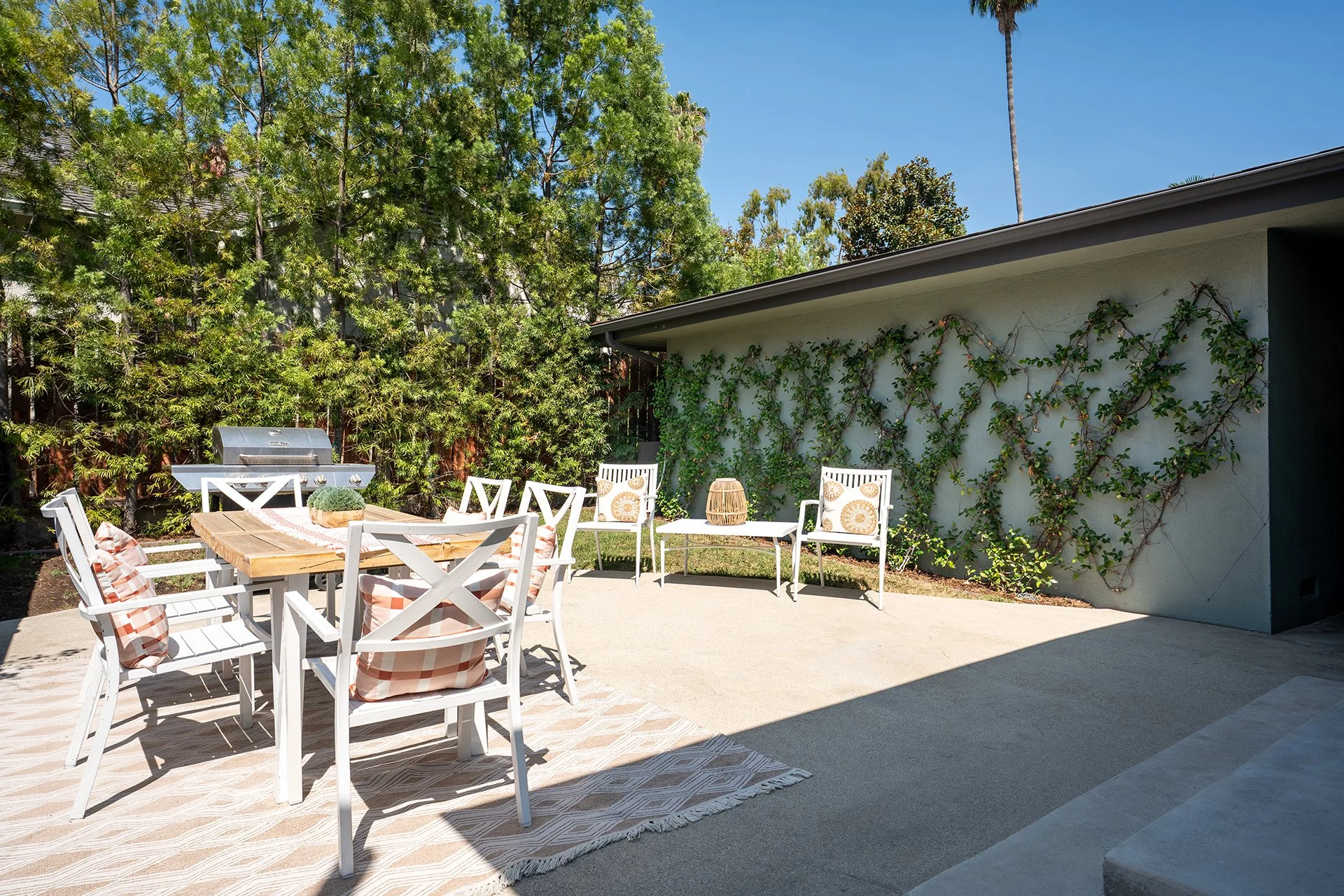
Grace and I listed 935 at $1,650,000, hosted open houses and invited the neighborhood over for ice cream. We received seven offers, and the house sold for $1,970,000.
935 became the first project where I was able to bring together nearly everything I had imagined Second Story doing: I helped my brother’s family pack and move from one home, prepared and sold it with Grace, and then helped them unpack, organize and design the home they moved into.
What I like most about that, I think, is how naturally it happened. There wasn’t a moment when one part of the work ended and another neatly began. One day I was packing boxes, another I was scrubbing grout, another I was giving a private showing, and later I was figuring out where things belonged in a new closet. It was all part of the same move, and a reminder of just how much there is to navigate in a home transition.
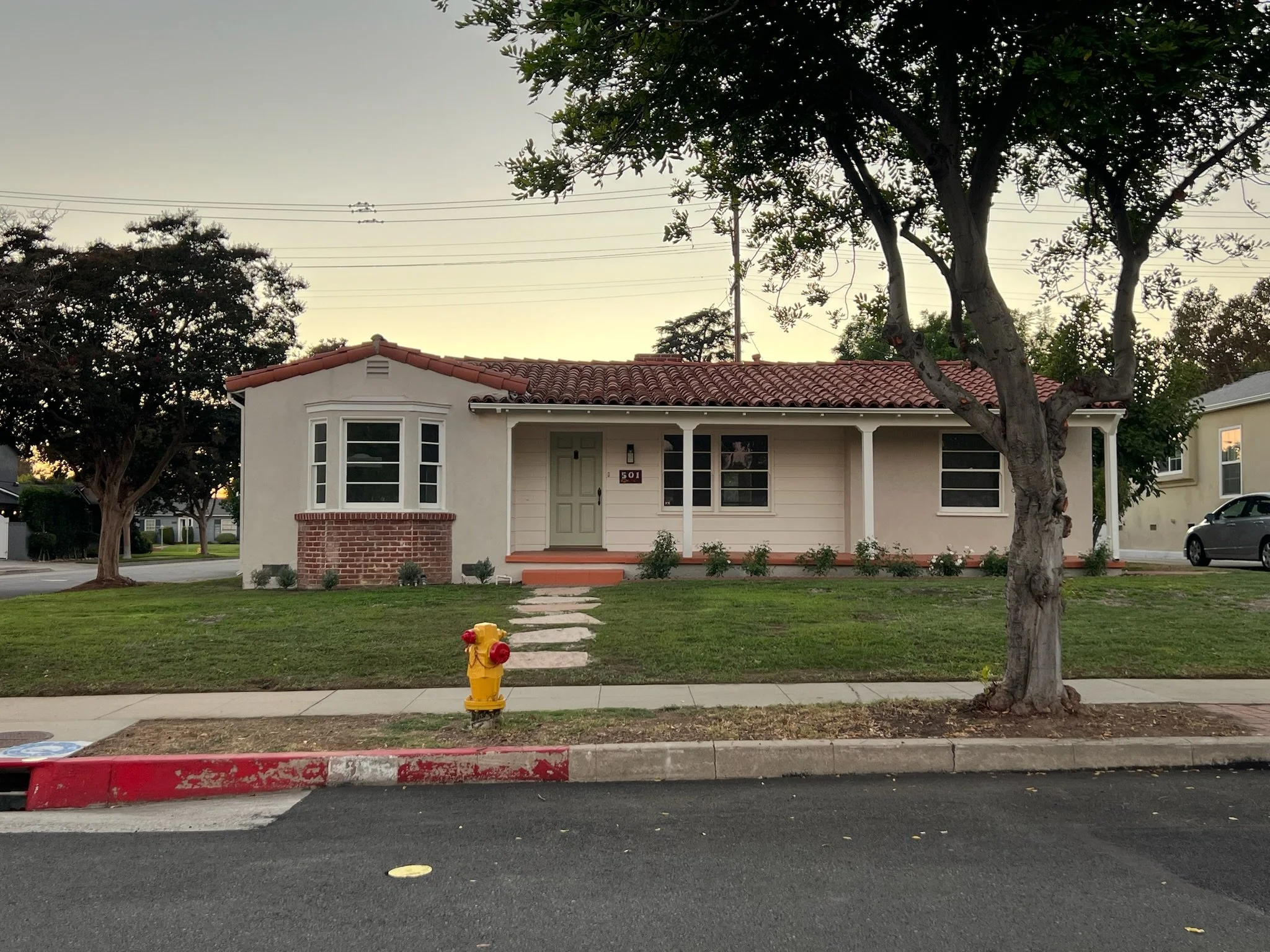
Gerona: Preparing a Home for Its Next Chapter
A hands-on approach to preparing a long-held family home for market and the disciplined choices that led to eleven offers and a sale over $100,000 above list.
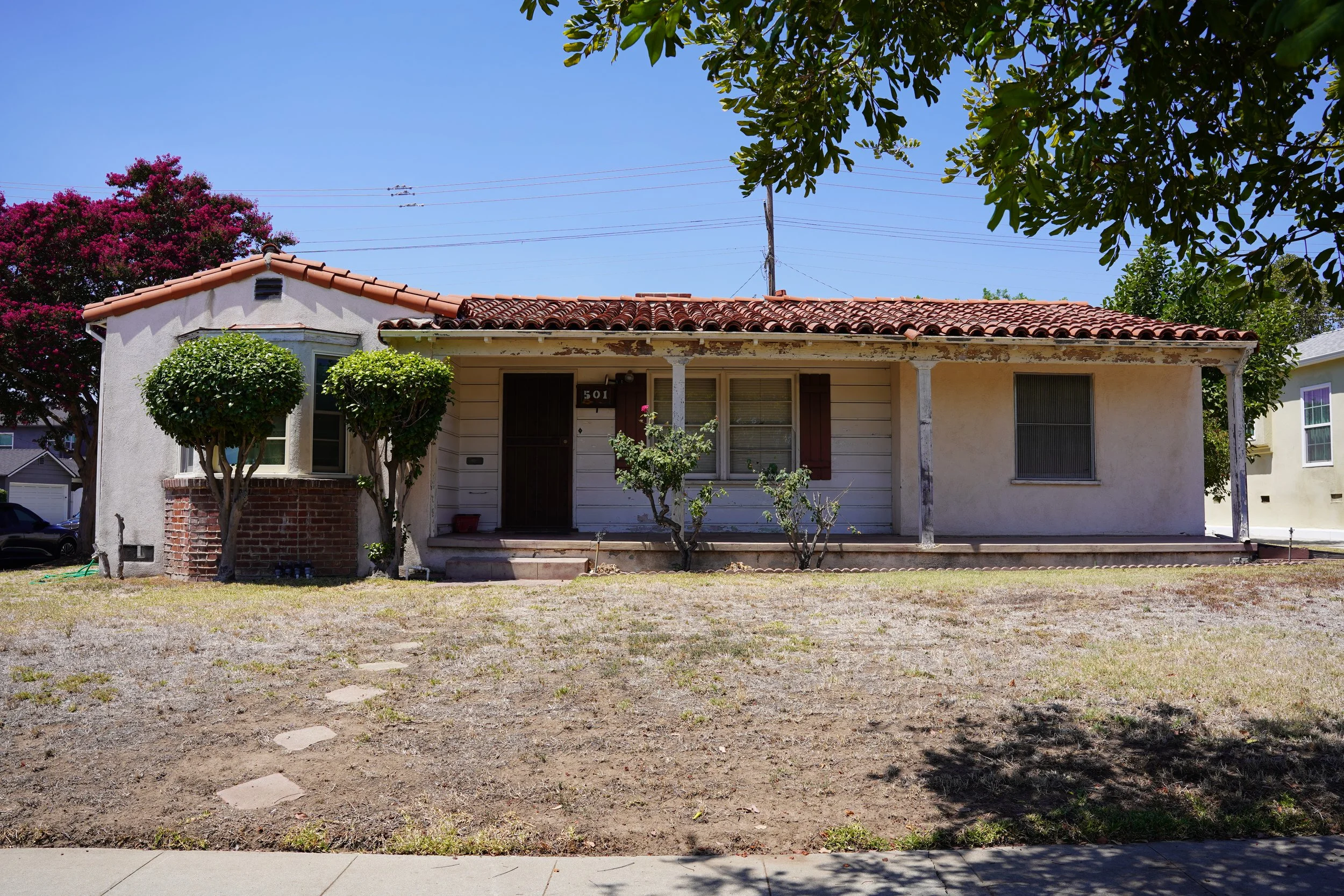
When I first walked into the San Gabriel home on Gerona it was hard to see what it could be.
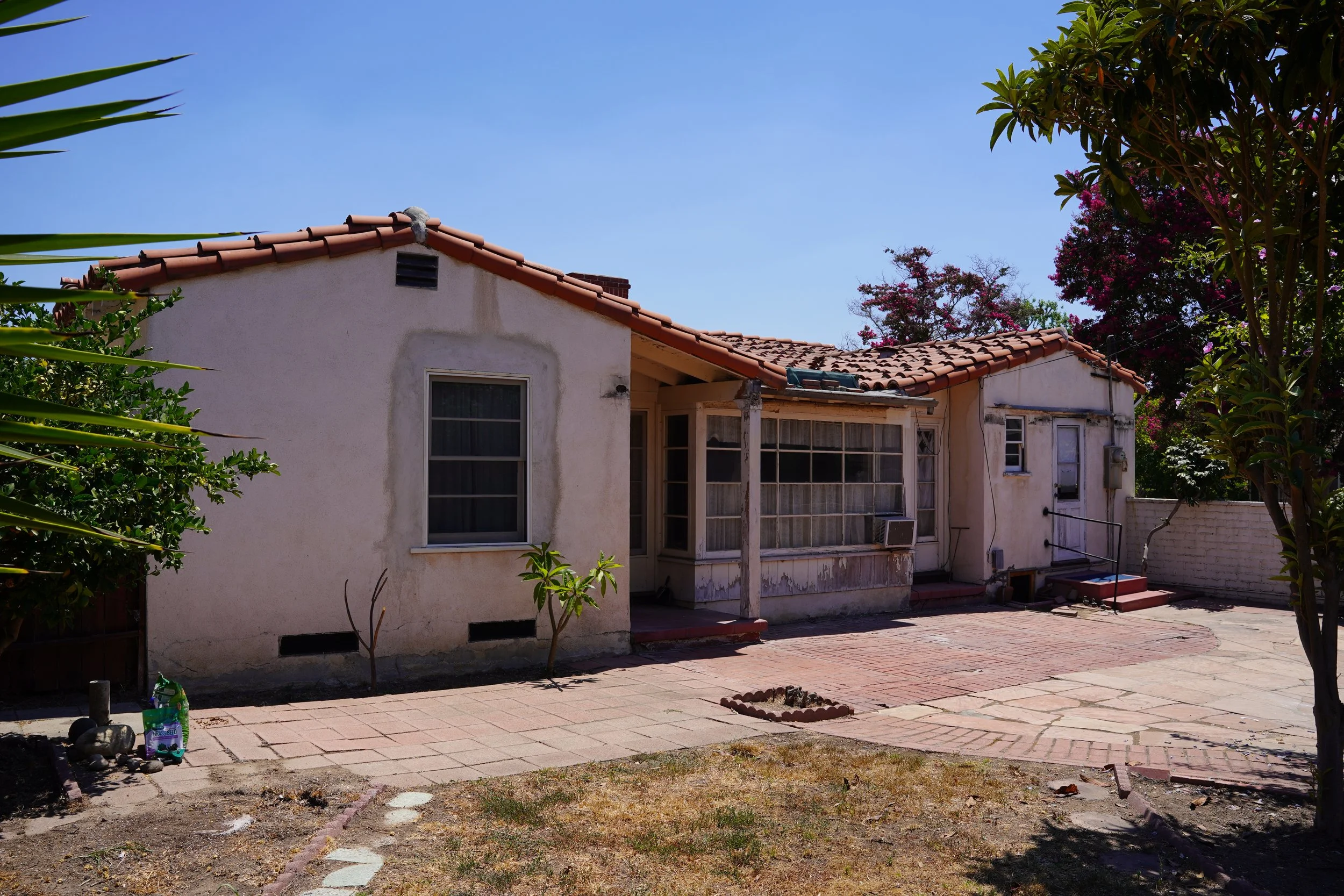
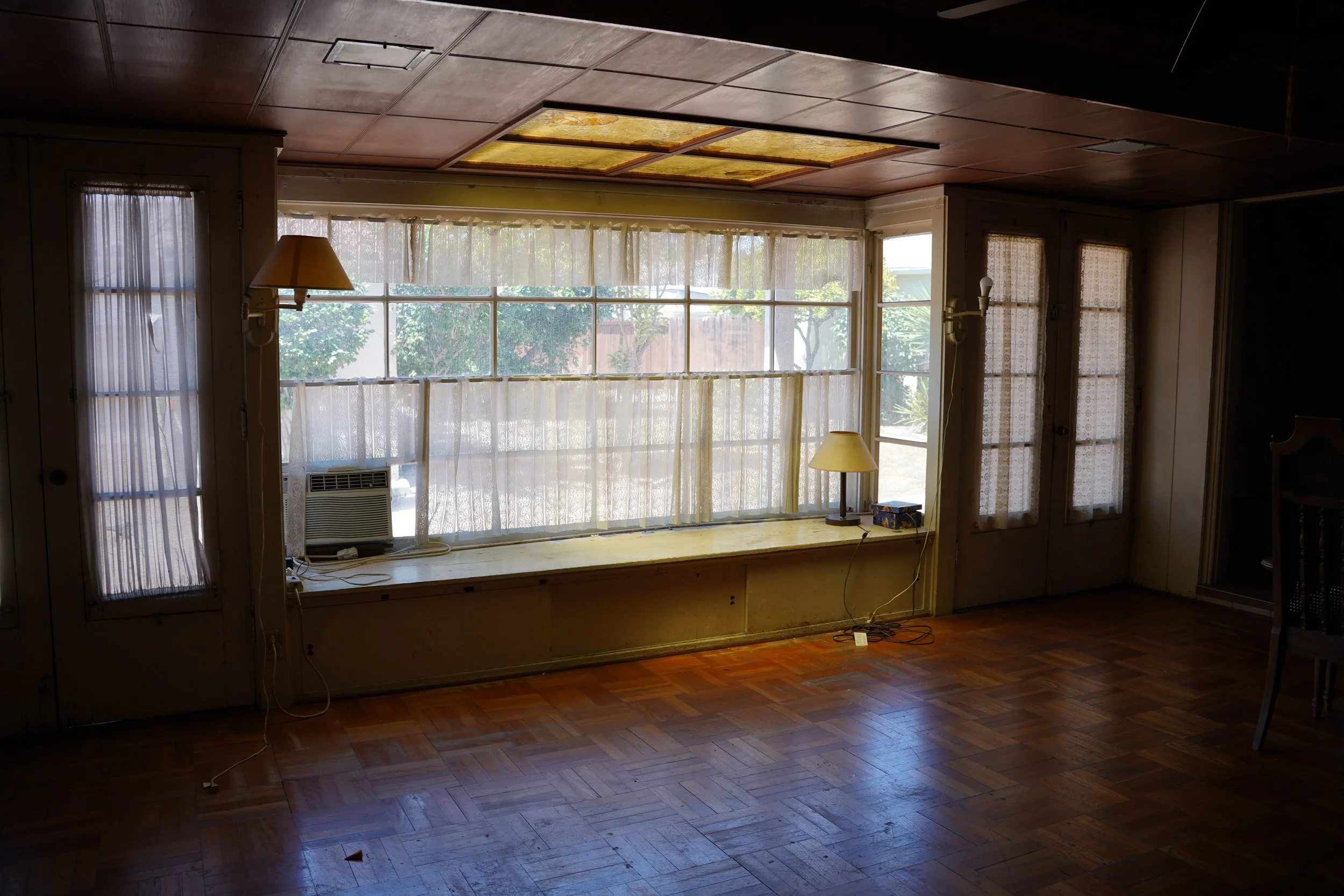
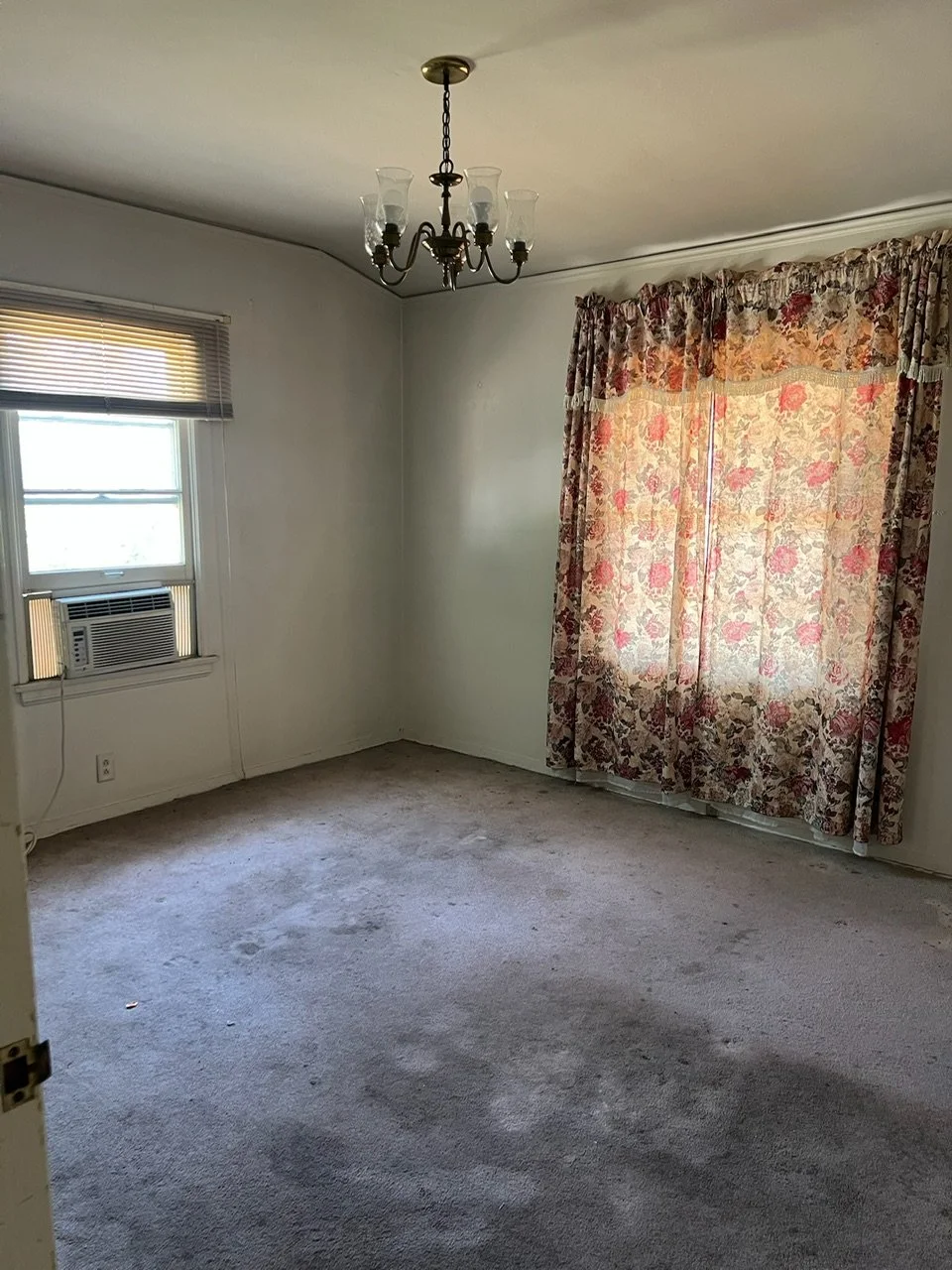
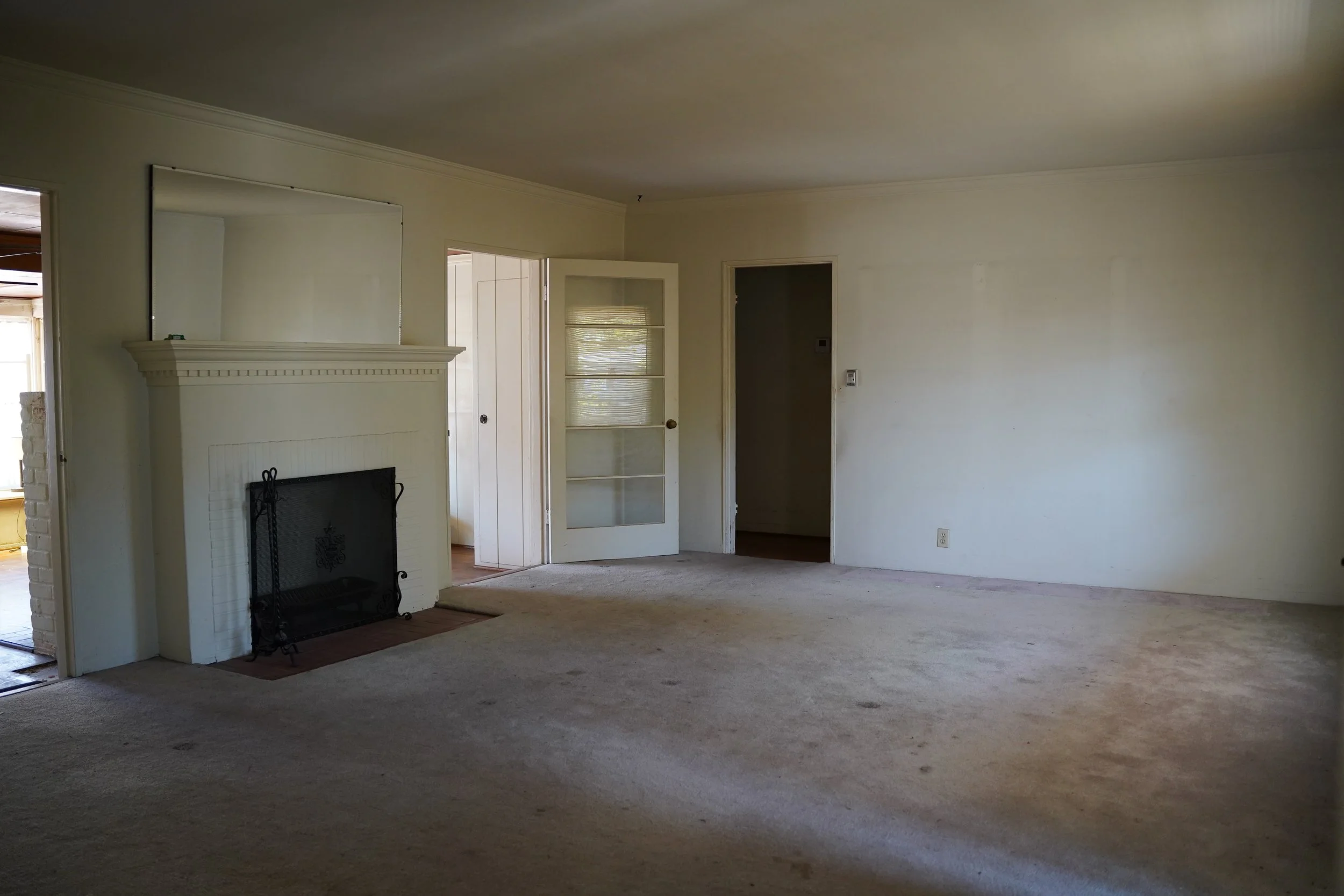
The floor plan was excellent, the backyard unusually large, and the bones were there. But the house had been lived in deeply and not really cared for in a long time and it showed. It felt tired and forgotten.
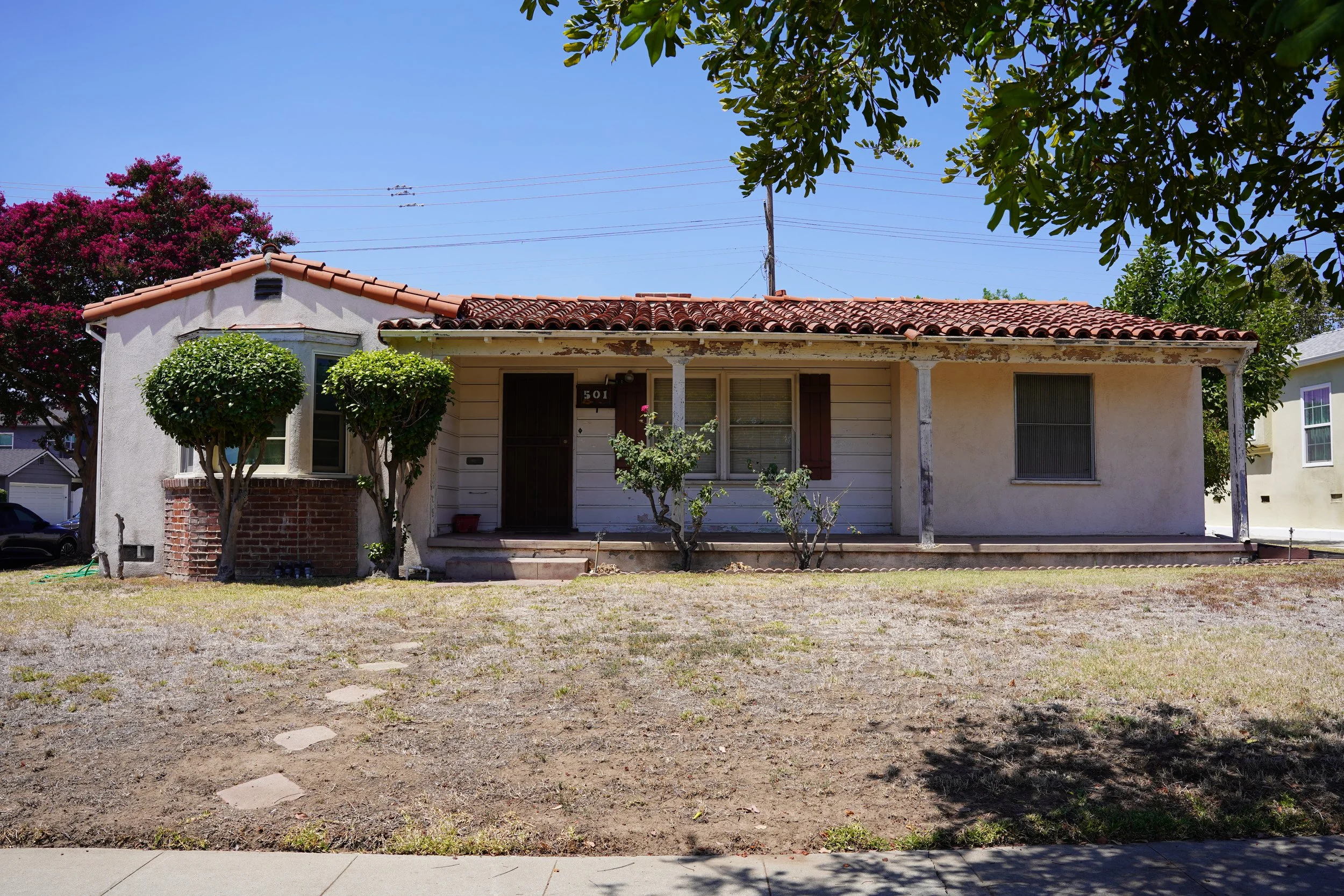
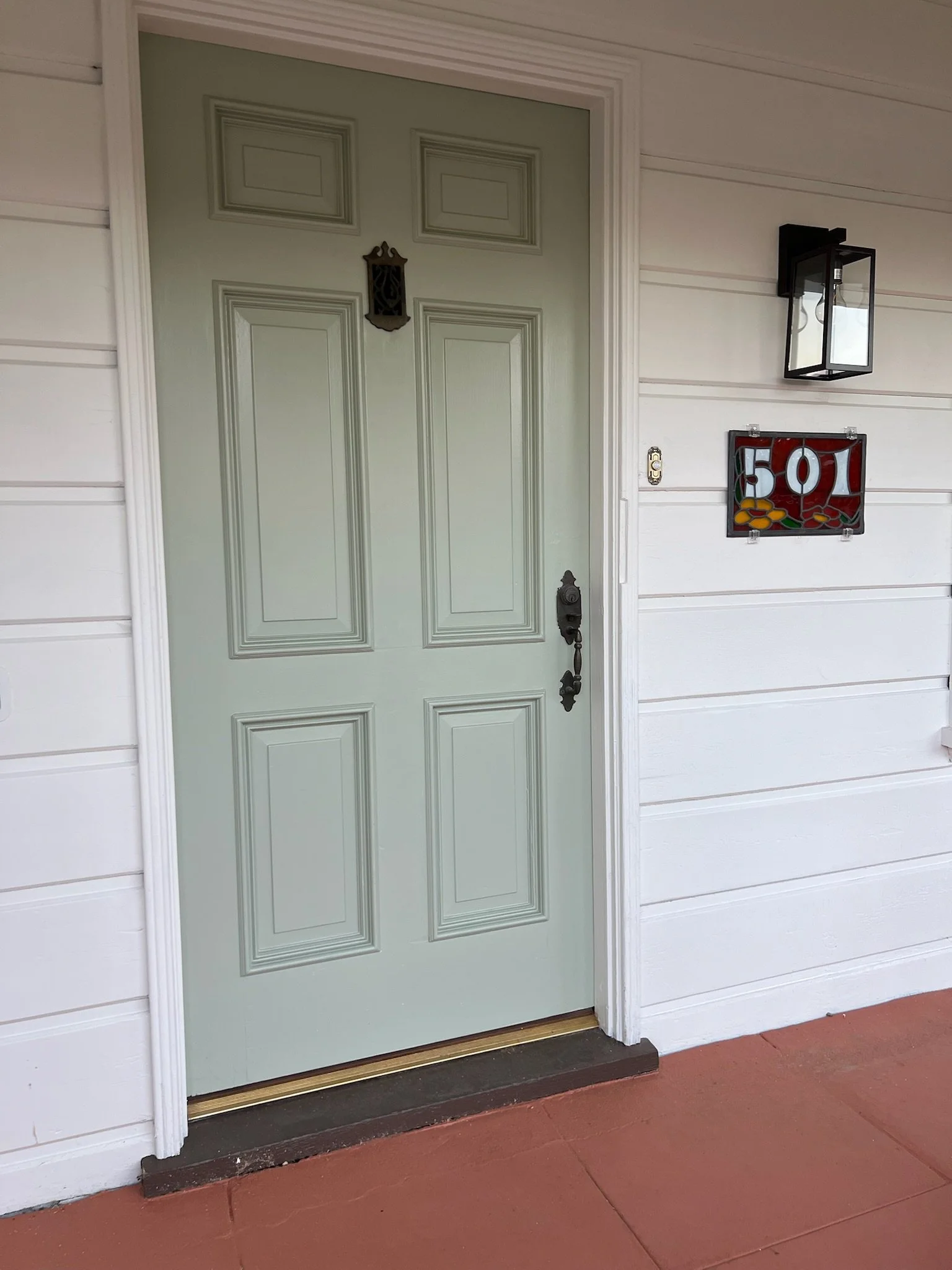
Front of house, prior to fresh paint and landscaping
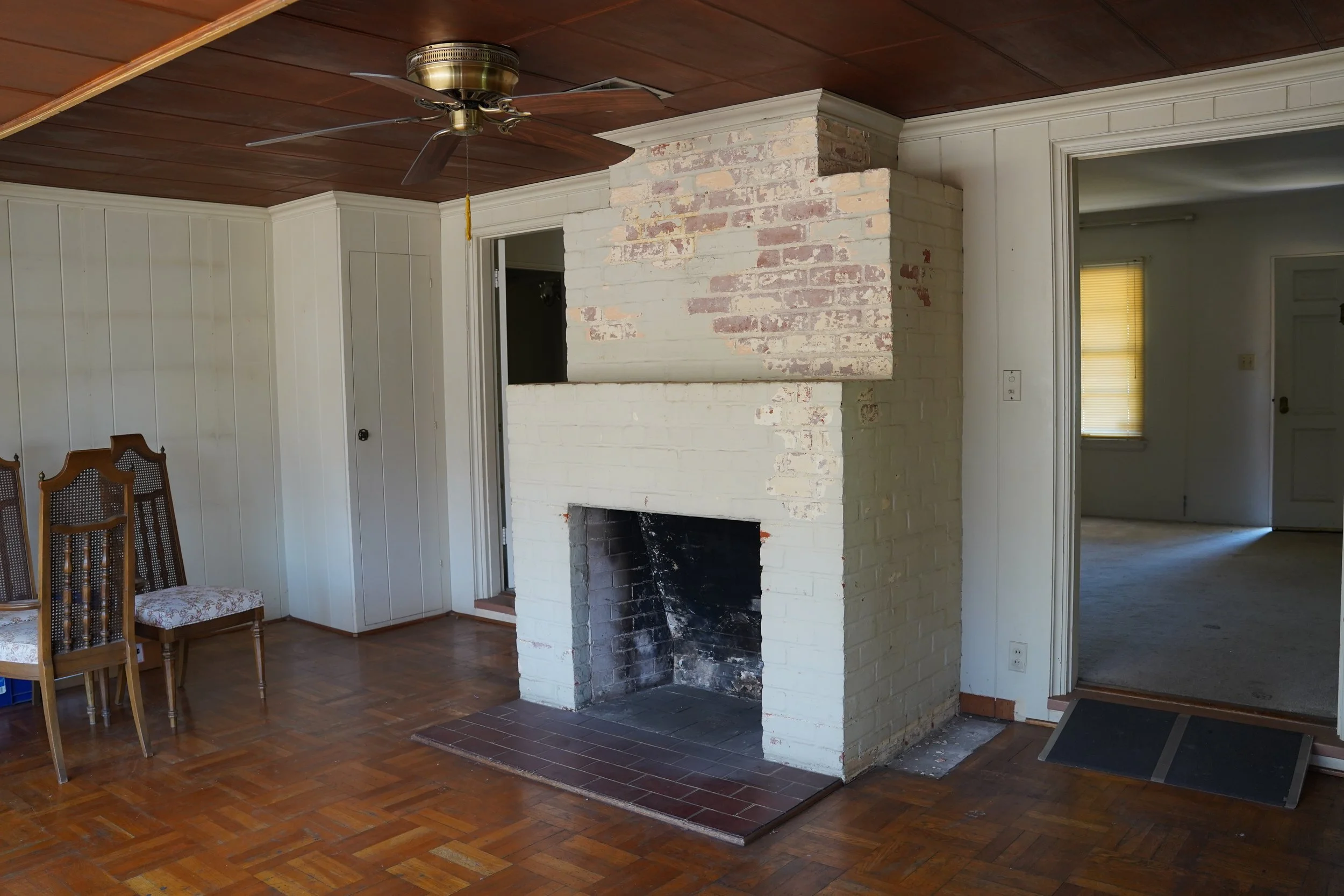
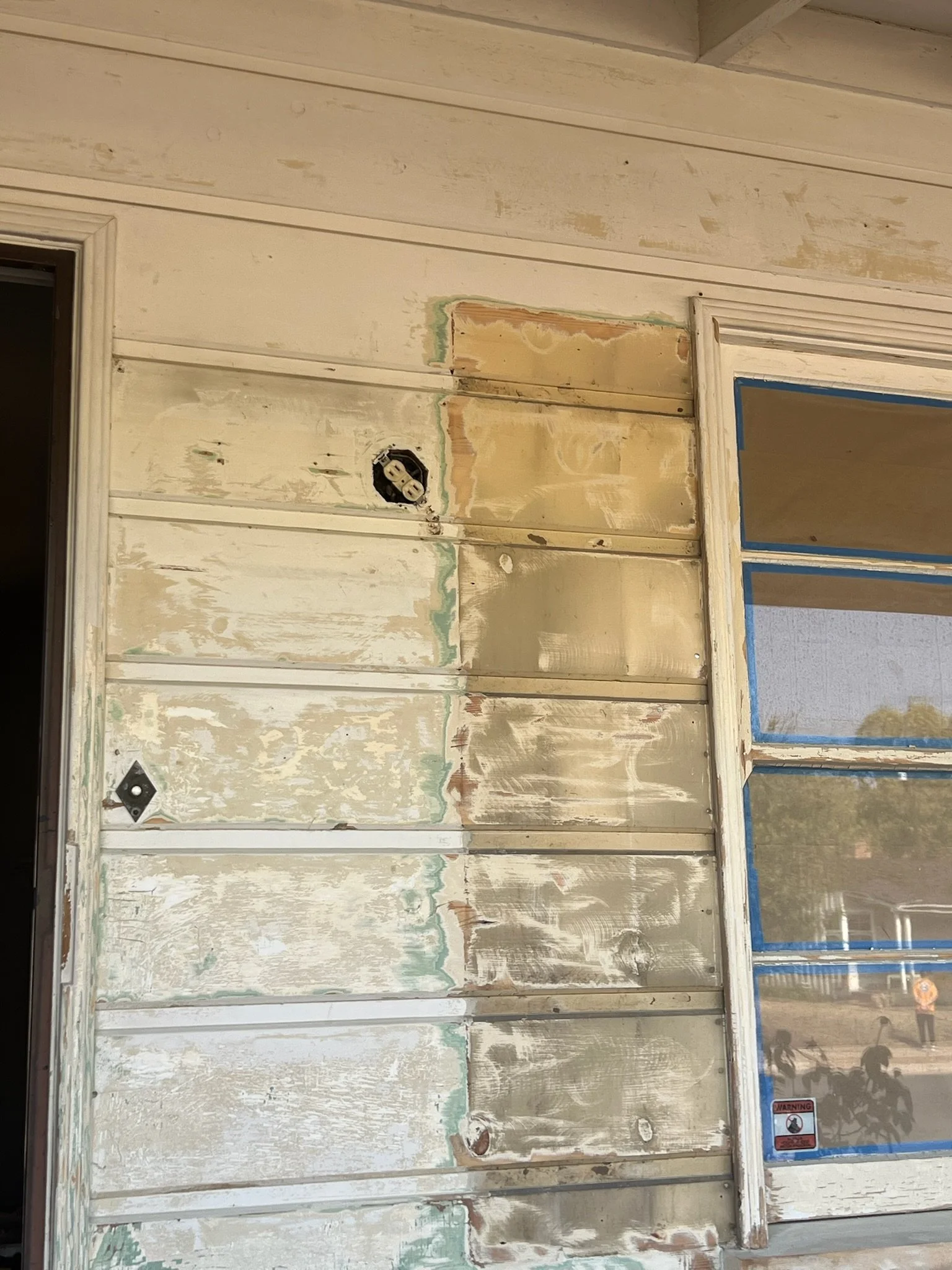
The previous owner grew up in the home, and his parents lived there for nearly fifty years before they passed. That history showed up everywhere. There were layers of paint in the front bedroom, including a period when it was blue; hardwood floors hidden under carpet in the bedroom and living room; and a small milk door by the front entry, from a time when deliveries were left quietly outside.
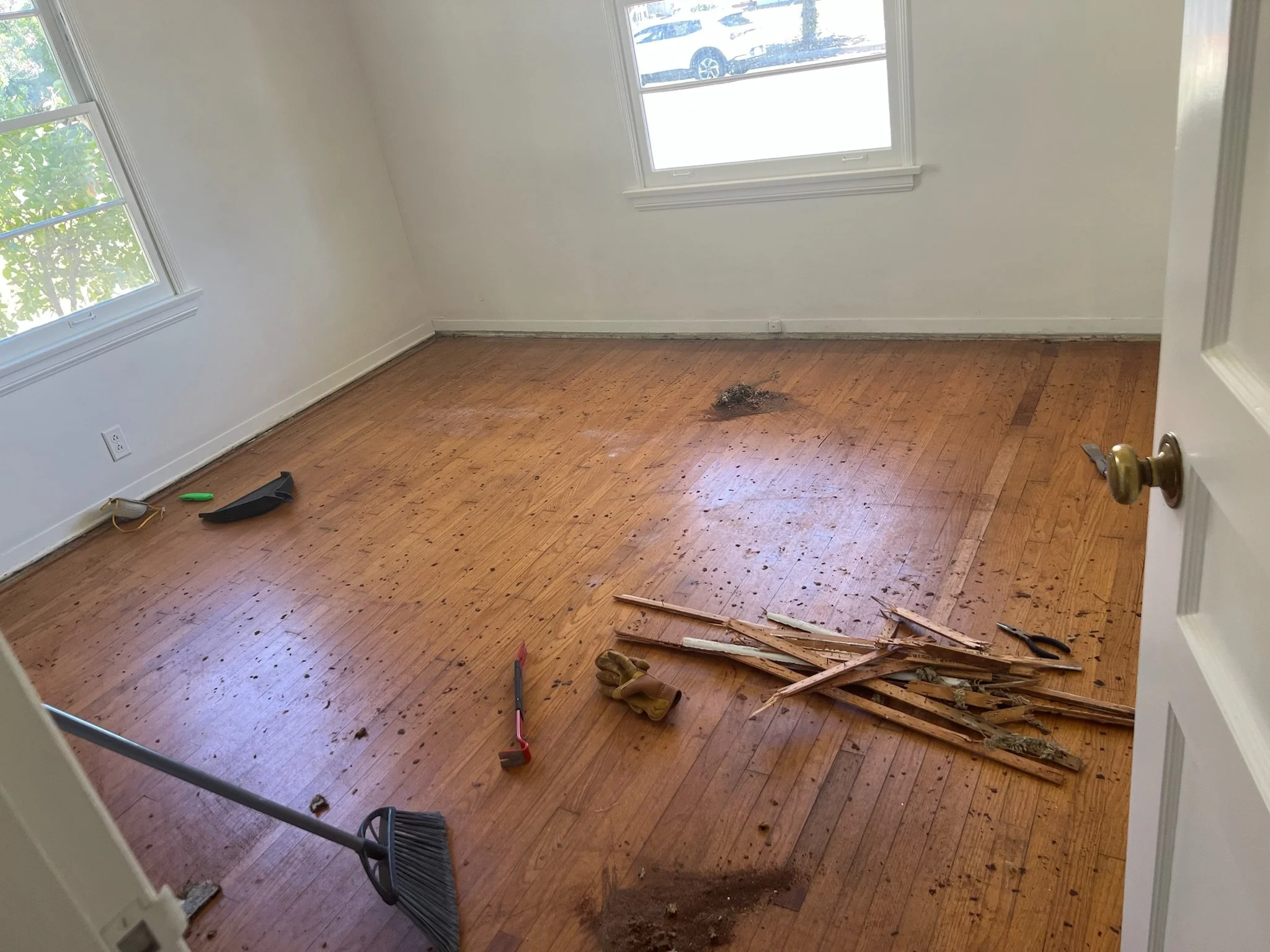
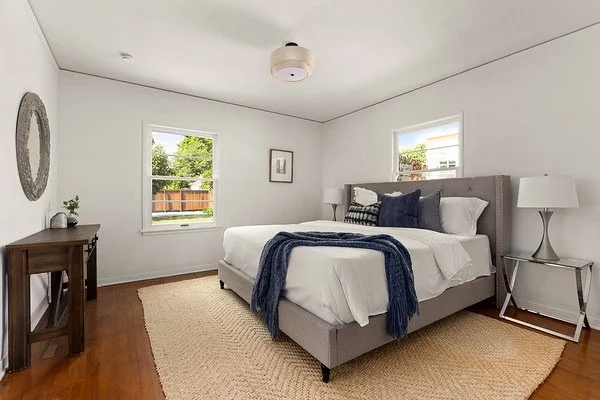
Original hardwood floors uncovered in the bedroom
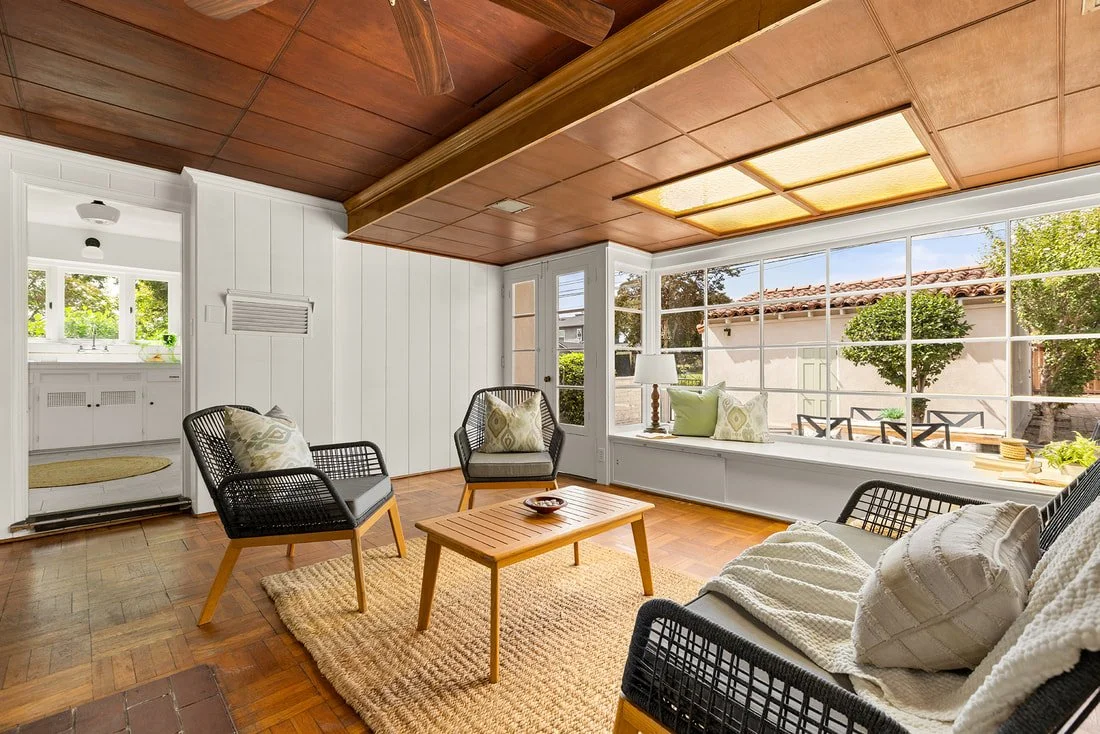
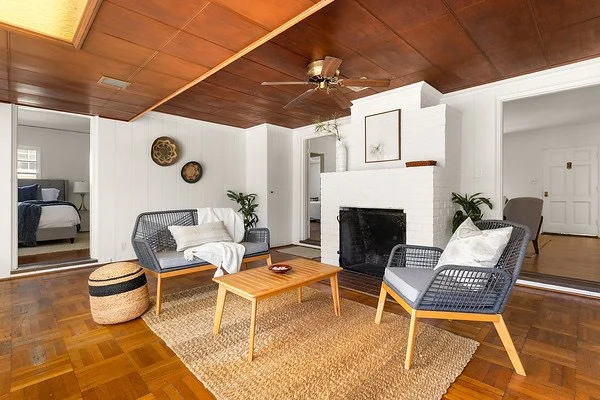
There was also a double-sided fireplace, with one side opening to the living room and the other to a sitting room behind it that felt like a glassed-in porch. It may have been one originally. The house had clearly evolved over time, shaped by the people who lived there and the choices they made.
I spent about six weeks working on Gerona. Some days were long and dusty, but more often the work happened in bursts between the rest of life. I pulled out carpet, updated light fixtures, and addressed the kinds of things that had been “good enough” for years.
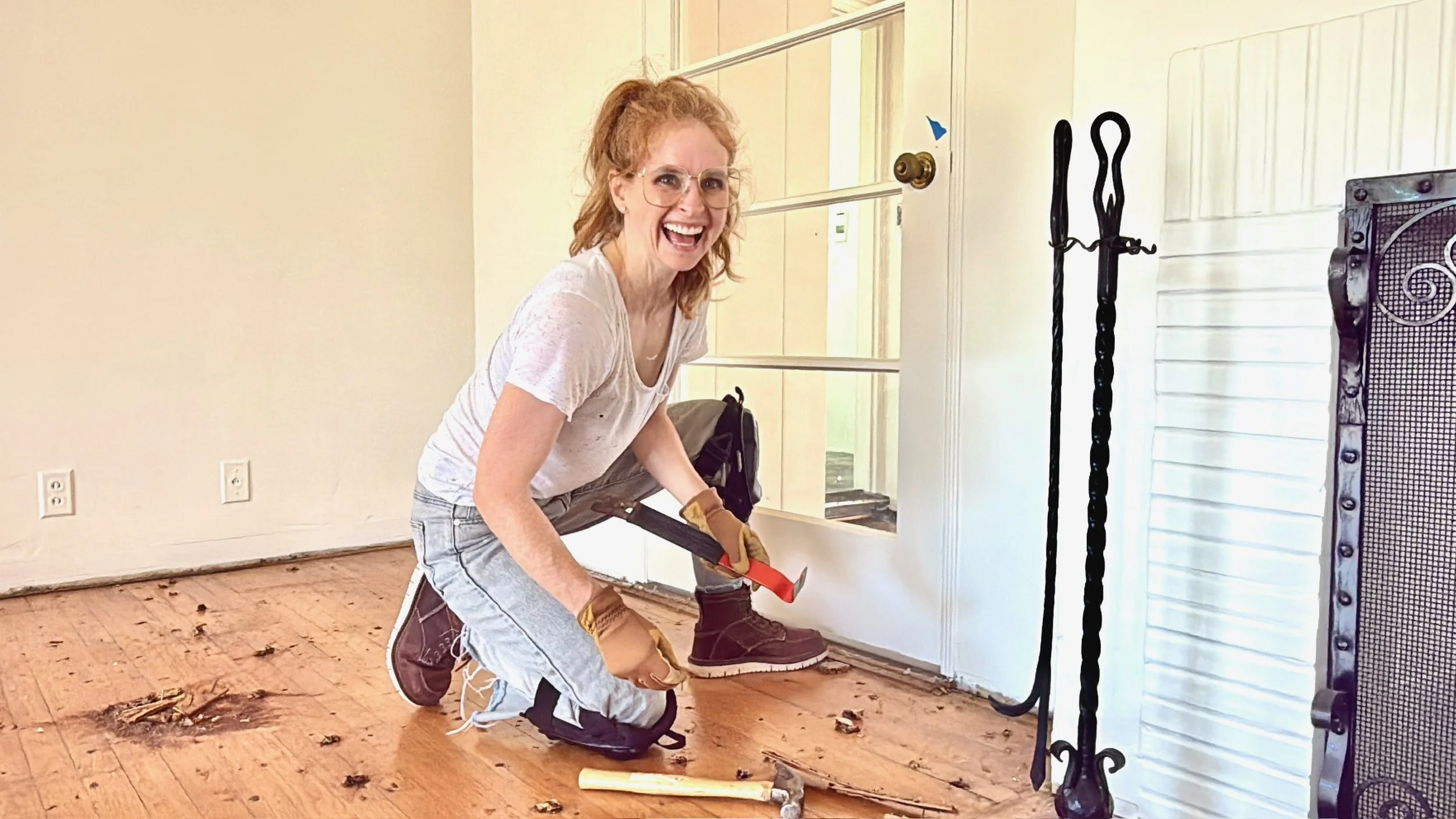
Removing carpet tack nails after carpet removal
The most satisfying moments were simple: the first section of carpet coming up; a broken doorknob replaced; the way a single light fixture could shift an entire room. I did much of the work alone and quietly, with time to think through problems as they came up.
Physical work like this has a way of clarifying things. It is solitary but grounding, and it creates attachment faster than you expect. Sweat equity is real, and it made letting go harder than I thought it would. If it was difficult for me after just a few weeks, I can’t imagine what it was like for a family who lived there for decades.
At the same time, giving the house new life was deeply satisfying, not by erasing its past but by making it functional, welcoming, and ready for someone else.
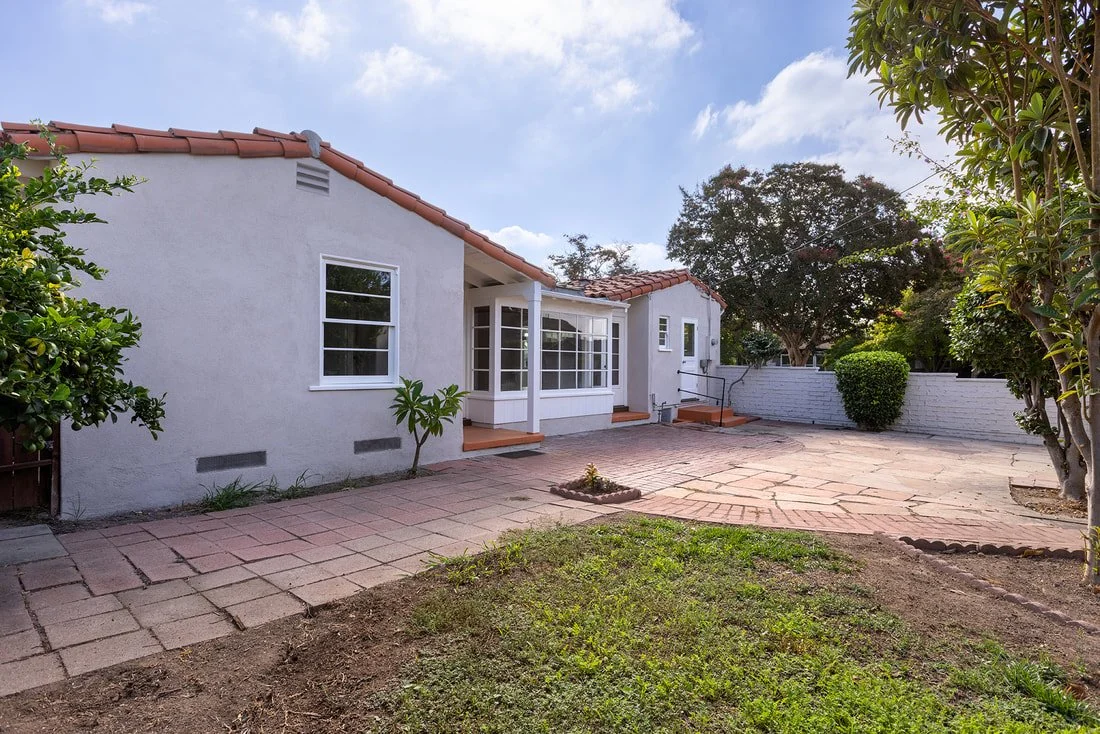
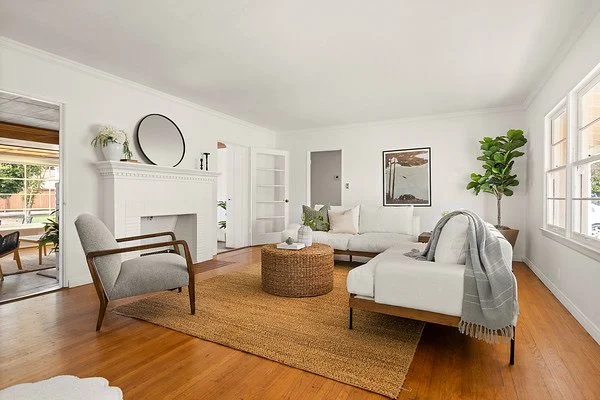
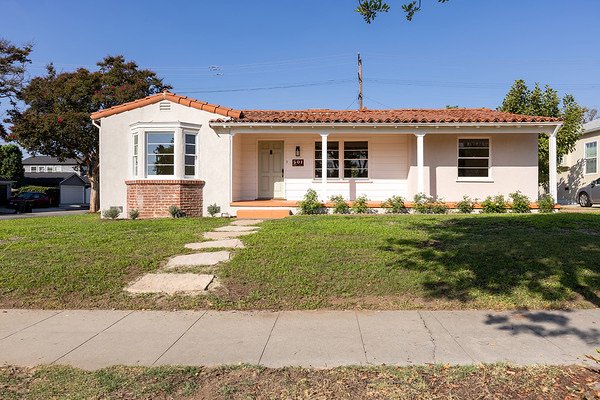
We were intentional about what we changed and what we didn’t. There were moments where we could have leaned harder into bold color or Spanish-style charm, but we chose restraint instead. The updates were neutral and thoughtful, designed to create a clean slate for the next owners. Nothing flashy, just well considered.
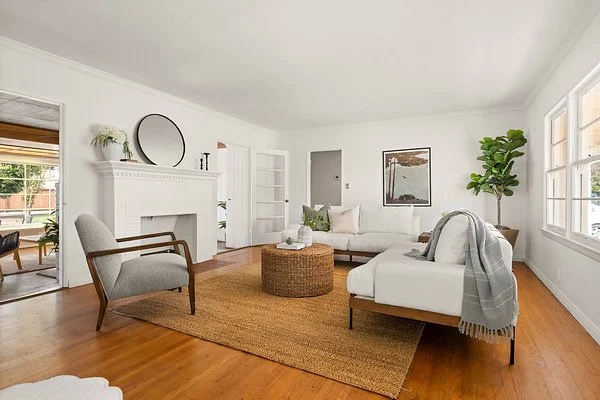
Living room after removing old carpet and thoughtful staging
The goal wasn’t to impose a style; it was to remove friction and help buyers see themselves in the space.
That same thinking guided the budget. We focused spending where it would actually matter and pulled back where it wouldn’t. In one case, I sourced flooring myself and cut the original quote nearly in half. In other areas, I did the work directly, not to cut corners but to ensure dollars went where they produced results.
When we sold Gerona, the response was immediate. There were eleven offers, and the final sale price came in more than $100,000 over list.
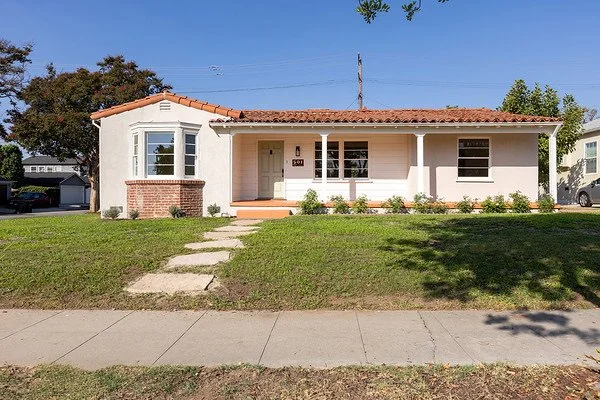
Front of house prepared for sale
That outcome wasn’t accidental. It came from understanding buyer psychology, knowing where investment pays off, and respecting the house while positioning it clearly in the market.
I felt proud when it sold and, unexpectedly, a little sad.
I hope the next owners make it theirs, feel connected to the neighborhood, and build memories there, just as others did before them.
Gerona is a clear example of the work I love doing, at the intersection of real estate, restoration, and transition.
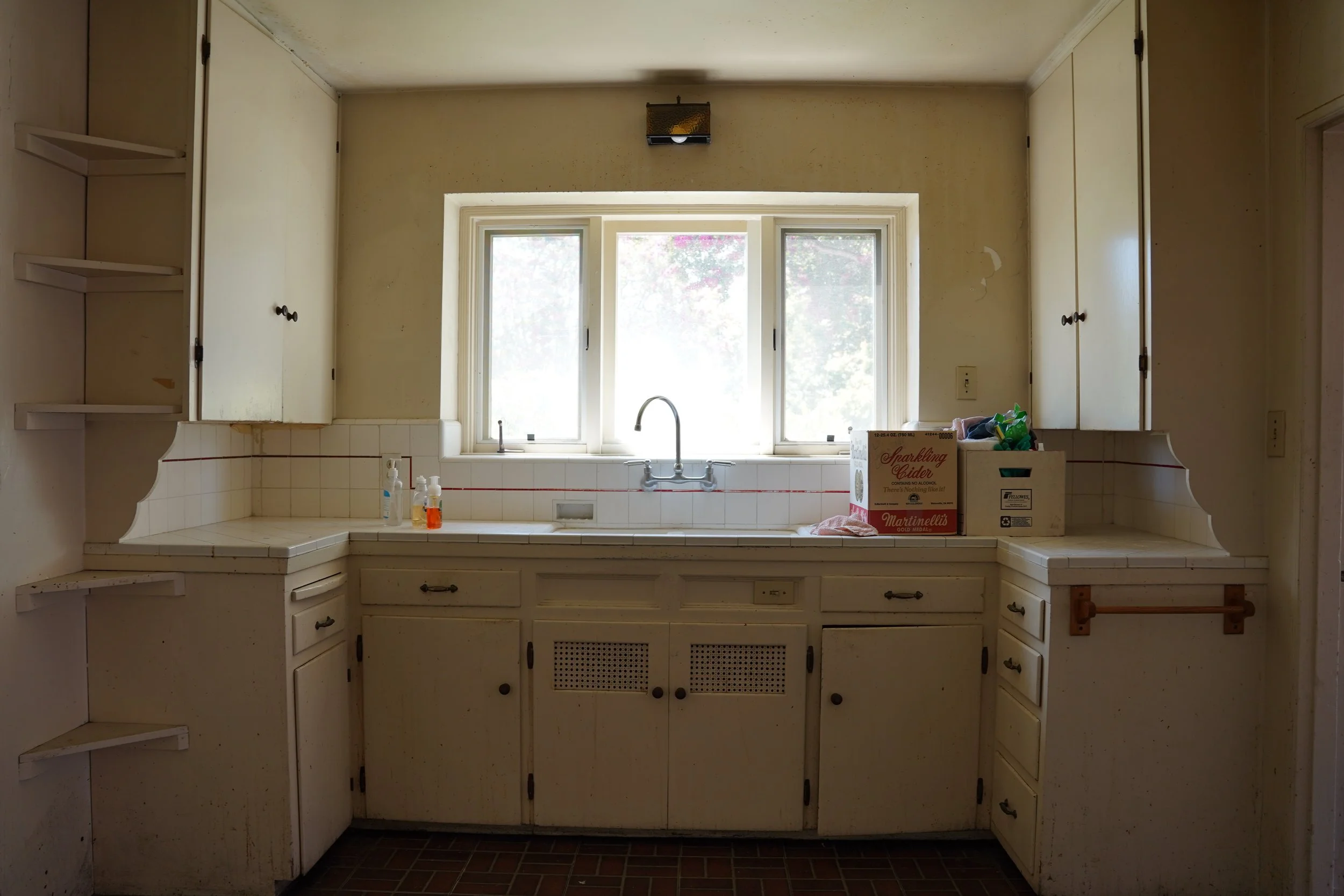
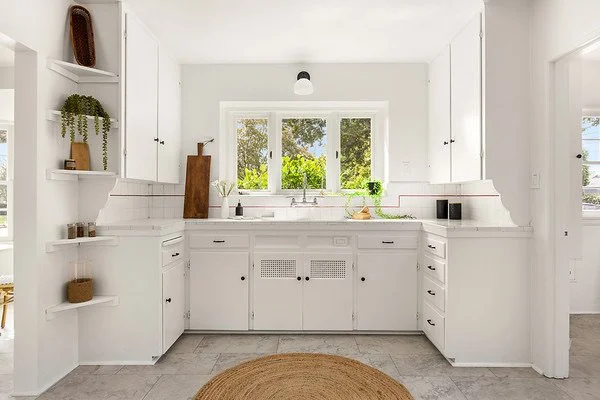
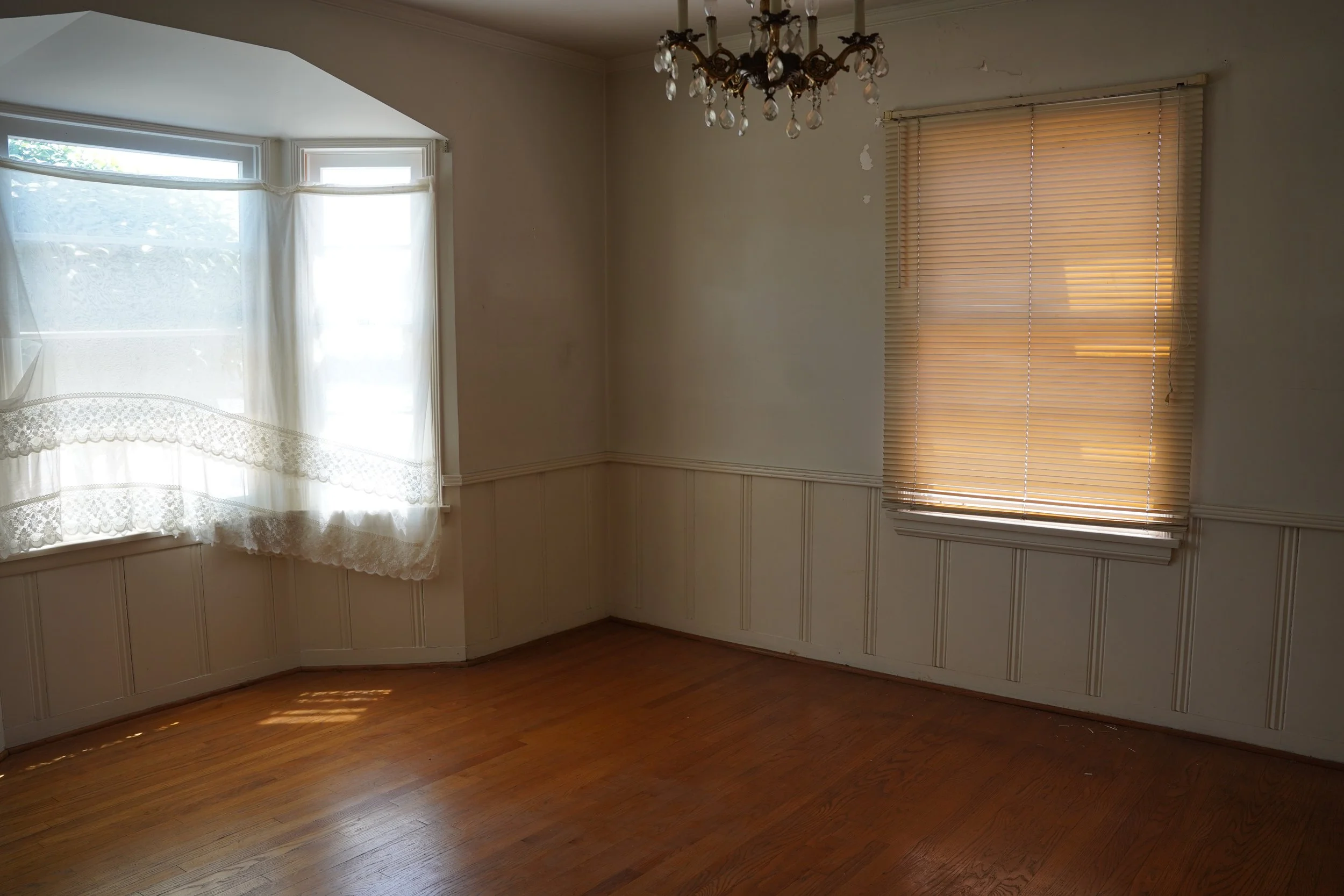
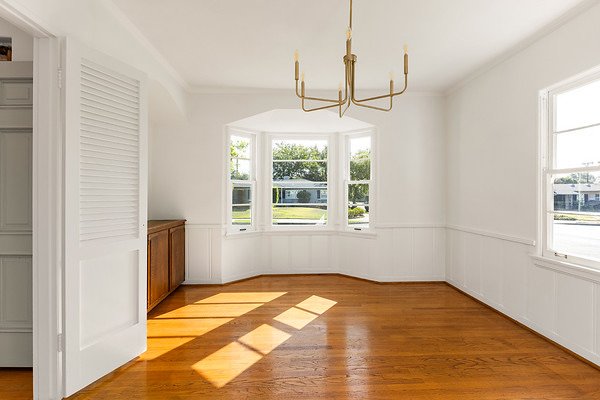
Homes carry history. Selling them is rarely just transactional. When care, strategy, and restraint come together, it’s possible to honor what was and still unlock what’s next.
Every ending makes room for a new beginning.

Before & After: Standing Out in Nashville’s Rental Market
A few low cost changes made all the difference for this long-time Nashville rental. From fresh curb appeal to updated kitchens and baths, the refresh helped highlight the home’s best features and increase its rental value.

Nashville’s rental market is one of the most competitive in the country. For long-time property owners it takes more than location to stand out; presentation is just as important. The house on Elkins had been a steady rental for years but it was overdue for a refresh. Our strategy was to focus on low-cost changes that protected the profit margin by highlighting the home’s best features to make it irresistible to new renters.
Kitchens are often the heart of a rental decision and at the house on Elkins this one needed to make a stronger impression. Fresh paint, a new backsplash, updated countertops and simple fixture changes including a range hood, faucet and cabinet knobs, gave the space a design flair without the cost of a full remodel. To create height and a touch of luxury, backsplash tile was carried above the window over the sink, a small detail that made the ceilings feel taller and the room more elevated overall.


Bathrooms often set the tone for the whole property. A tired, dated bath can make an otherwise solid home feel overlooked. By introducing a new vanity, fresh palette and more cohesive finishes we made this bathroom feel bright and move-in ready.

A dated palette and worn finishes made the bathroom feel dim.

Light, cohesive finishes and a new vanity transformed it into a fresh and inviting space.
First impressions begin at the curb, so we focused on a few strategic updates to elevate the exterior. The dormer was painted to match the body of the house, creating a more cohesive look. A few new shrubs softened the entry and added life to the landscaping. The front door and adjacent windows were painted black, giving them contrast against the trim and drawing the eye toward the entry. Finally, updated house numbers and a potted plant provided a crisp finishing touch. Together these small changes created a stronger street presence that signaled to potential renters that the home was well cared for.


Throughout the rest of the home, small details carried the refresh forward. Updated paint, thoughtful lighting choices and attention to detail made each room feel consistent and intentional.


The results speak for themselves. After the refresh, the home rented for $4008 more per year or 33% annual return on investment. While the improving Nashville market helped, these updates ensured the property didn’t just keep pace with the competition - it stood out.
Transformations don’t always require a full-scale renovation. Sometimes the smartest move is knowing where to refresh and where to hold back. With thoughtful updates, this rental went from overlooked to in-demand and showed that in Nashville’s crowded market, design matters.
Cheers to Diana Viveros from the House on Shorb
A tribute to a trailblazing city worker and the home she left behind. Diana Viveros was the first woman ever hired as a maintenance worker for the City of Los Angeles - and the heart of the party house on Shorb. From fixing helicopter pad lights to hosting late night dance parties in her garage “she cave” she lived without fear or apology.
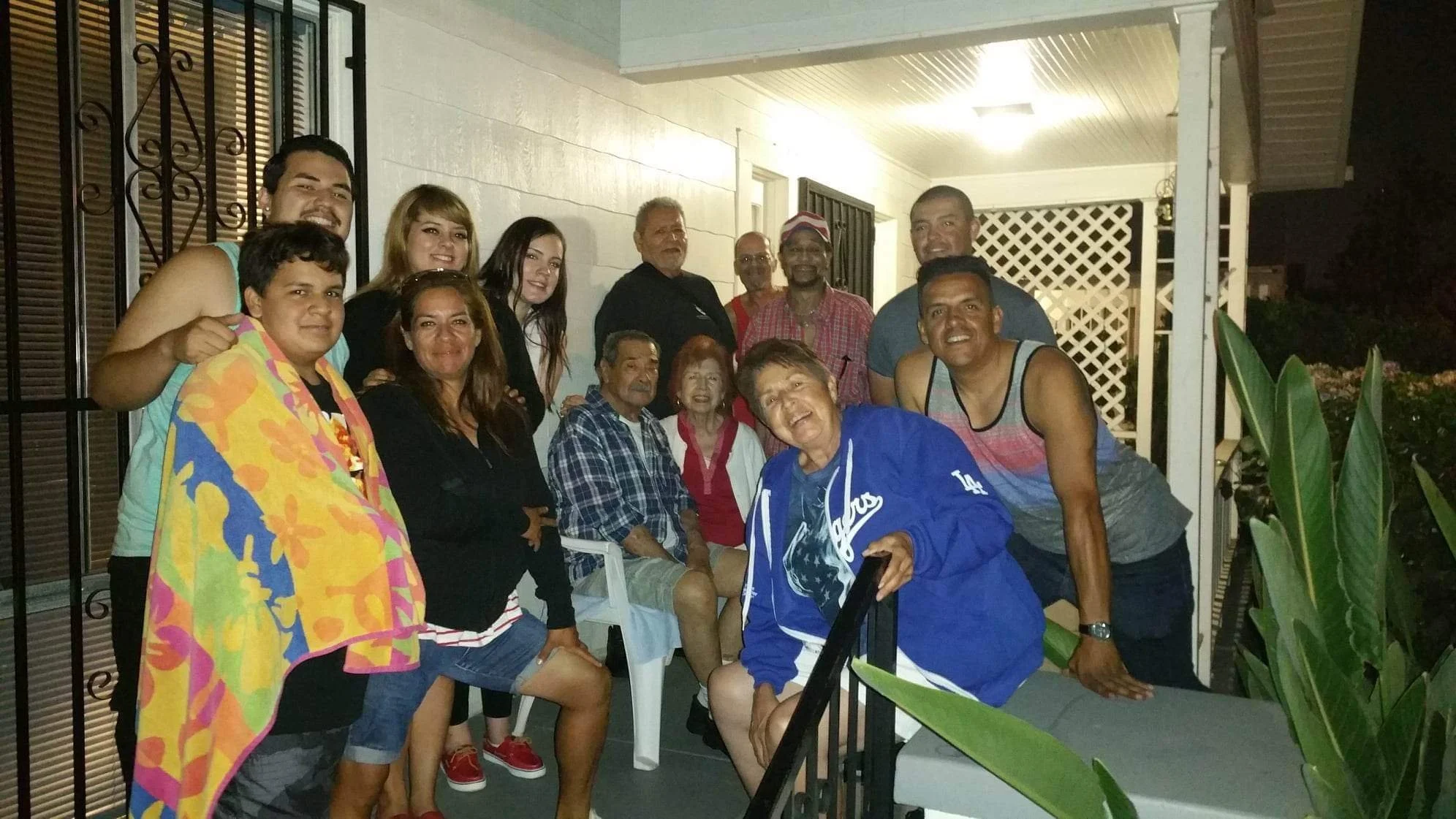
Diana (in Dodgers blue) and her family and friends on the front porch at Shorb
When I first walked into Diana Viveros’ Alhambra home it was completely empty. Freshly painted white to prepare it for sale, there were few clues about who had lived there. I was straddling the top of a ladder, wrestling with an old ceiling fan, when a neighbor tapped on the metal screen door to warn me about street cleaning tickets.
Abraham and Diana had been neighbors for more than 30 years and with equal parts fondness and the protectiveness of someone that guards the block, Abraham told me Diana would have been thrilled that I was the one preparing her home for sale. At first I thought he was just being kind but the more I learned about Diana, the more I understood why he thought she’d be rooting for me:
Diana, who passed away in 2022, was the first woman ever hired as a maintenance worker by the City of Los Angeles. She started in 1986 as one of only three women in the training program. One transferred quickly and the other dropped out but Diana kept at it.
Her only granddaughter Tiffany remembers the pride Diana took in her work. “She would show up anyone who doubted her,” Tiffany told me. “If you said she couldn’t, she’d do it better and make you eat your words.” Her command of the job was unmistakable, replacing lights before they failed and creating emergency protocols, earning respect for always being one step ahead.

Diana at work as a maintenance worker for the City of Los Angeles
That instinct came from her father, a general contractor who let Diana shadow him as a girl. While her siblings weren’t interested, she never passed up a chance to tag along. It gave her not just skills but a sense of pride in work done well which she carried into every project.
Still, once she began her career in maintenance work, she was caught in between worlds. Men in the field doubted she would last, while the women she had worked alongside as a telephone operator for nearly twenty years no longer embraced her. Even positive recognition fell short when a plaque honoring her had her name misspelled; a small but stinging reminder of how hard it could be simply to be seen.

Diana accepting an award for completing job training with the City of Los Angeles
But in the eyes of her family, there was never any doubt. Tiffany spoke with admiration when she described her grandmother’s mix of grit and warmth. “She could out-party anyone in our family,” she laughed. “She was tough, but she made everything fun. You just wanted to be around her.”
Diana also had the good fortune of a supportive boss and a close circle of friends who cheered her on. When she and her partner Gloria bought the Alhambra house in 1972, it quickly became the central gathering place for her family and community. With her father’s help, Diana added a bedroom and laundry room. They poured concrete, expanded the backyard under a pergola and added a bathroom so no line would ever get in the way of a good party.
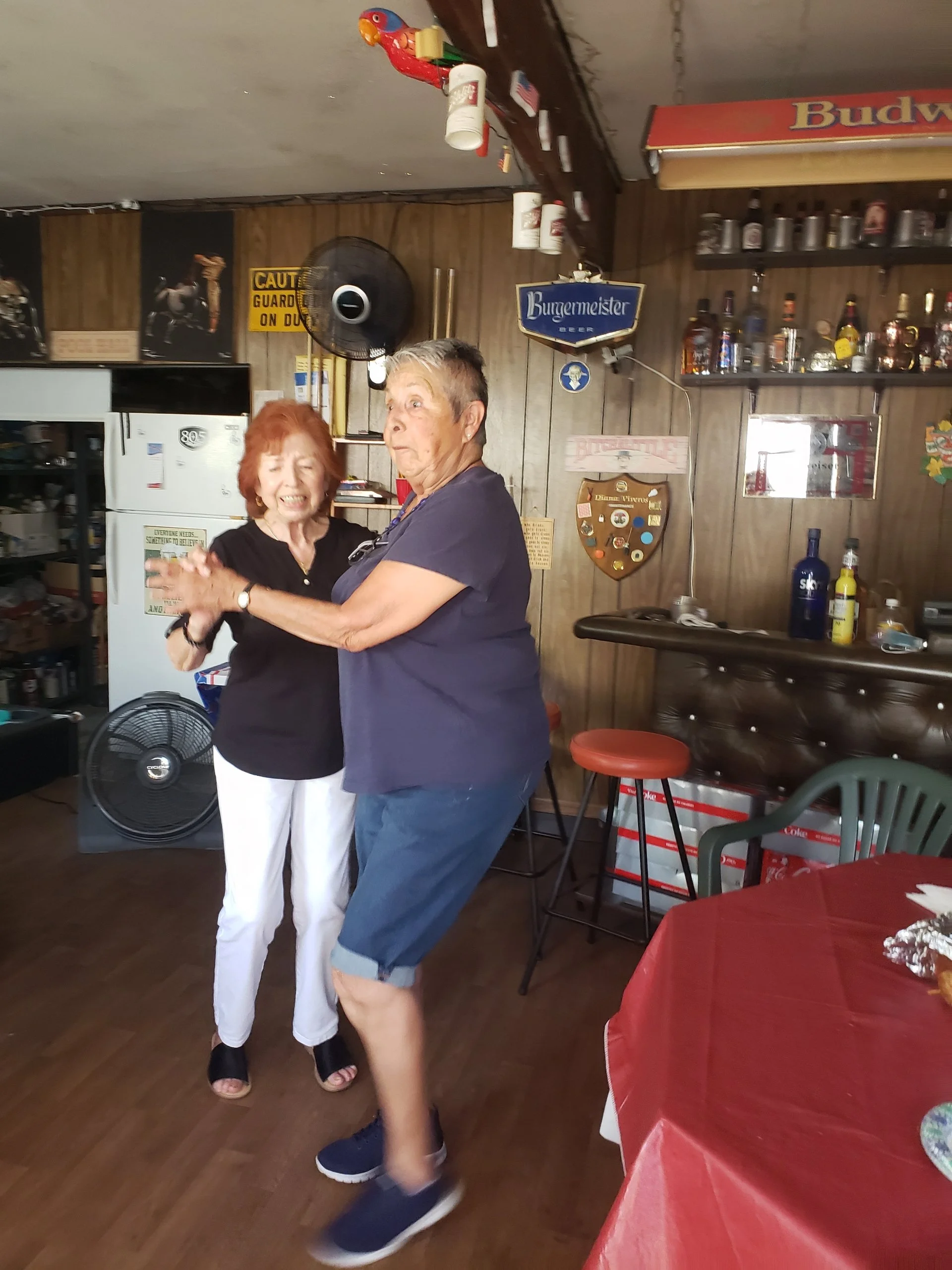
But it was the garage that truly defined the house. Converted into what Tiffany called a “she cave,” it held a pool table, dartboard, 1970s bar, and round table where cards were dealt late into the night. Over the years it cycled through sofas, a slot machine, even a jacuzzi, always evolving to match the moment. The garage was where most holidays were celebrated, where Tiffany learned to play blackjack and pool, where bowling teammates gathered for baby showers, and Bud Light was always served in a frosted glass. On her 75th birthday, Diana celebrated with a taco bar and DJ with a stereo system. At one in the morning, the music continued to blast as the dance floor spilled into the backyard.
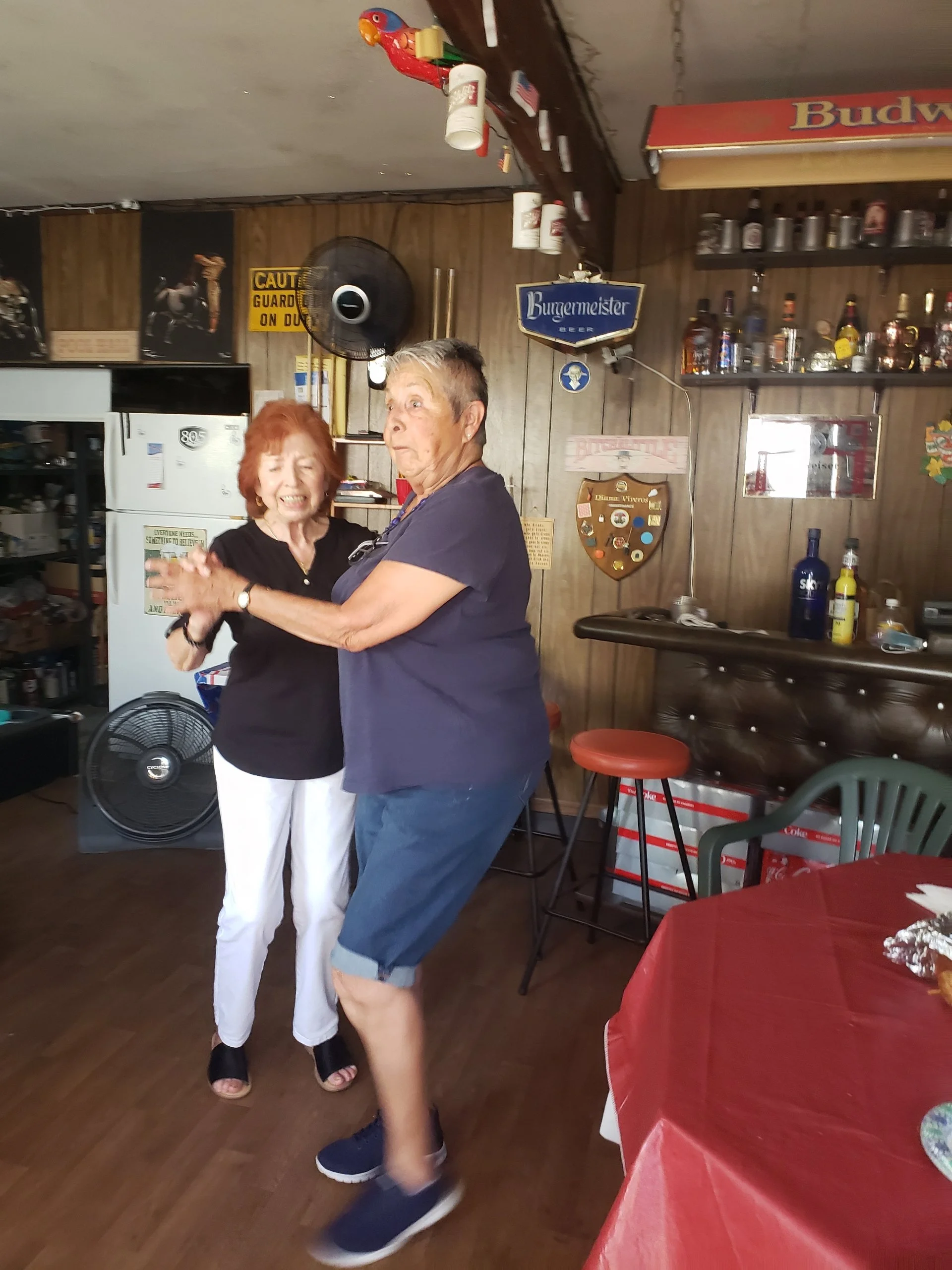
Dancing in the “She Cave”
The energy of the "she cave” carried through every season. At Christmastime Diana insisted on putting up her own decorations, climbing ladders to hang lights on the front of the house long after most would have asked for help. She poured that same spirit into everything she loved: bowling two or three nights a week, cheering on the Dodgers, and traveling. For her 80th birthday she went to Scotland and Norway. She took a bus tour to the Grand Canyon, and just months before she passed, she traveled to Maine, New York and Boston. Tiffany smiles when she says, “even up until she passed away my grandma was still celebrating life and partying like she was in her twenties. Nothing held her back.”

Diana before zip lining
I never met Diana. But working on her home, I felt her. What are the odds that the first woman maintenance worker for the City of Los Angeles would, more than 50 years later, have her home prepared for sale by another woman learning the trades? Tiffany and I both believe it wasn’t an accident.
Like Diana, I’ve worked in spaces where women are still the exception: first in a healthcare boardroom and now in renovation. I know the sideways looks, the moments of doubt, the insistence on carrying my tools for me. Diana shouldered even more of that weight, and in doing so, cleared a path and made space for women like me.
So when I think of Diana, I feel gratitude. I admire her courage, how she served others, how she created community in her home and always made time to enjoy an ice-cold beer. She’s taught us that the best way to live is without fear or apology.
Tiffany put it best: “Don’t be held back by fear or public perception. Live your life for you and not what other people expect or hope for. That’s how my Grandma was.”


